๐—š๐—น๐—ถ๐—บ๐—ฝ๐˜€๐—ฒ ๐—ถ๐—ป๐˜๐—ผ ๐˜๐—ต๐—ฒ ๐—™๐—ผ๐—ฟ๐—ฒ๐˜€๐˜’๐˜€ ๐—š๐—ต๐—ผ๐˜€๐˜ โ€“ ๐—ง๐—ต๐—ฒ ๐—˜๐—ป๐—ถ๐—ด๐—บ๐—ฎ๐˜๐—ถ๐—ฐ ๐—ฆ๐—ฒ๐—ฟ๐—ฒ๐—ป๐—ฑ๐—ถ๐—ฏ ๐—ฆ๐—ฐ๐—ผ๐—ฝ๐˜€ ๐—ข๐˜„๐—น

The Serendib Scops Owl (Otus thilohoffmanni) is one of Sri Lankaโ€™s most enchanting and elusive owl speciesโ€”small in size, rich in character, and a true gem for birdwatchers. Endemic to the island, it can be found in dense lowland rainforests such as Sinharaja and Kithulgala, but spotting one requires the sharp eyes and local knowledge of an experienced bird guide.

These owls are most easily observed during their breeding season, typically from February to May, when they are more vocal and active around nest sites. Serendib Scops Owls usually nest in tree cavities, and both parents are involved in rearing the chicks. The chicks are typically dependent on the adults for around 4โ€“5 weeks before they begin learning to hunt independently.

They are often seen in pairs, and if you’re lucky, you might catch a glimpse of them with their young. The chicks are paler, with a whitish to light buff coloration and a fluffier appearance compared to the adults. Adult owls are more richly rufous or dark brown, with finely marked plumage that helps them blend into the forest.

This particular individual, likely a subadult, still lacked the deep rufous tones of a mature bird. I was fortunate to observe it during my recent visit to Kithulgala earlier this monthโ€”a rare and rewarding encounter with one of Sri Lankaโ€™s most captivating nocturnal birds.
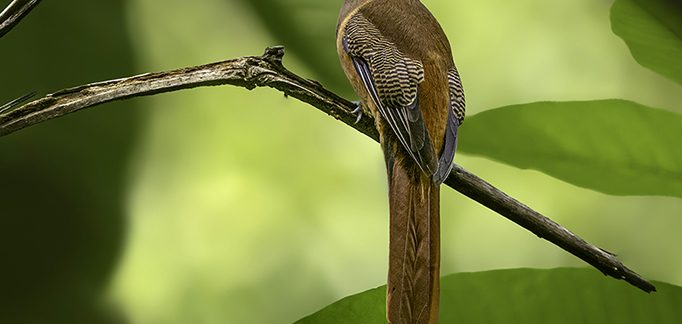
Trogon of Rainforest

It had been quite a while since my last trip to Sinharaja, as the heavy and unpredictable rains had kept me away longer than planned. During a brief break in the weather, I finally returned for some birdwatching with a friend and my regular guide, Thilak. Although we spotted a few bird flocks, photographing them was challenging due to low light and the birdsโ€™ positions high in the tree canopy.

Malabar Trogon – Female

While following one of the flocks, Thilak spotted a pair of Malabar trogonย (Harpactes fasciatus). We followed them along the trail, though, surprisingly, both birds were femaleโ€”usually, Trogons are found in male-female pairs. The male typically sports bright red plumage, while females display a softer, orange hue. One of the females paused just long enough on a bare tree branch, framed by leaves, giving me a perfect opportunity to capture this beautiful shot.

A Return to the Wild: Rediscovering Yala

Yala National Park, once a place of solitude and connection with nature, doesnโ€™t feel as comfortable as it used to be for me. Sixteen years ago, a simple work outing to Yala changed everything. I remember vividlyโ€”the moment I clicked the shutter on my camera and captured Kublai Khan, the legendary great tusker of Yalaโ€”it sparked a passion for wildlife that has only grown stronger with time.

Since then, visiting Yala twice a month became a routine, each trip fueling my fascination with the wild. But as the crowds have grown and the atmosphere changed, Iโ€™ve found myself seeking out quieter cornersโ€”Wilpattu, Yala Block 5โ€”where the essence of the wilderness is still untouched. There, surrounded by the sounds of nature and away from the overwhelming crowds, Iโ€™ve been able to truly observe and photograph everything from elusive leopards to vibrant birds, and so much more.

Despite my countless visits, there was one part of Yala I had never experiencedโ€”Heenwewa Bungalow. That changed last May when I finally had the chance to stay there. It had been a while since my last trip to Yala, but fortunately, my trusted safari guide, Theekshana Lakshan of Yala Bigcat Safari, was available. Together, we ventured into the less-traveled areas of the park, avoiding the crowds, and it paid off. We captured some breathtaking moments that reminded me why Yala became such a significant part of my life all those years ago.

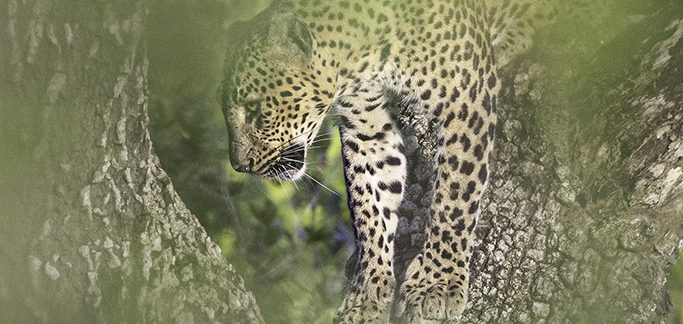
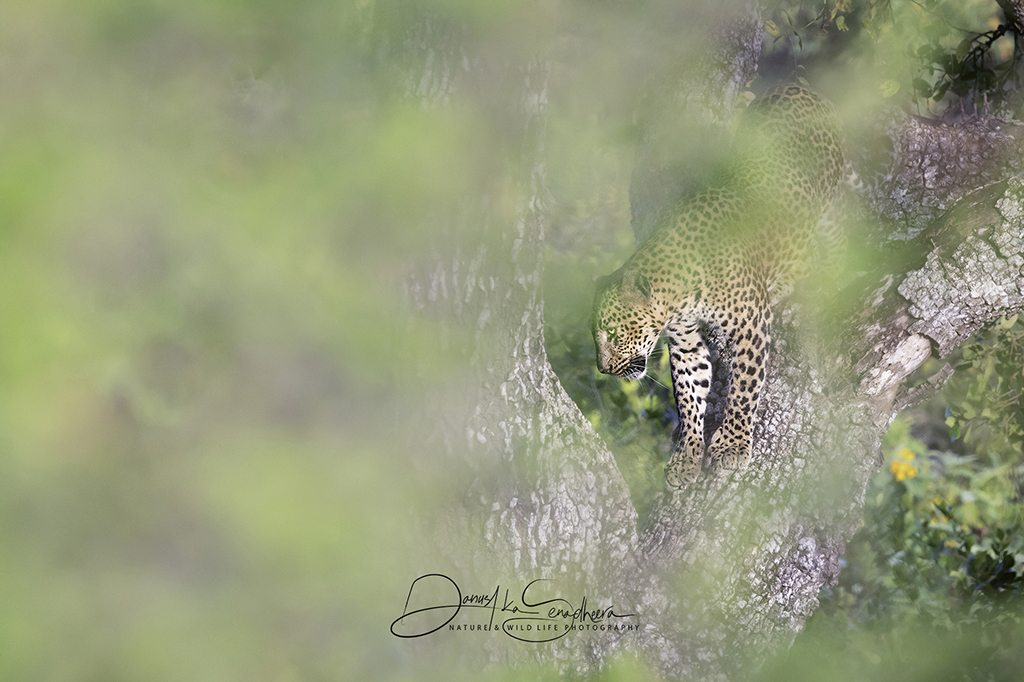
Encounter Rana (KLM29) on a territory walk

It was early in the morning, and we were the second safari jeep to enter Kumana National Park. Our wildlife guide, Sasika, and safari driver, Pradeep, decided to turn onto Kiripokuna Road while the other jeep continued on the main road. As we reached the third bund on Kiripokuna Road, both Shashika and Pradeep pointed toward the road where a leopard was crossing toward the bund. We gave it some room, and it returned to the road. It was a mature male leopard, later identified as Rana (KLM29).

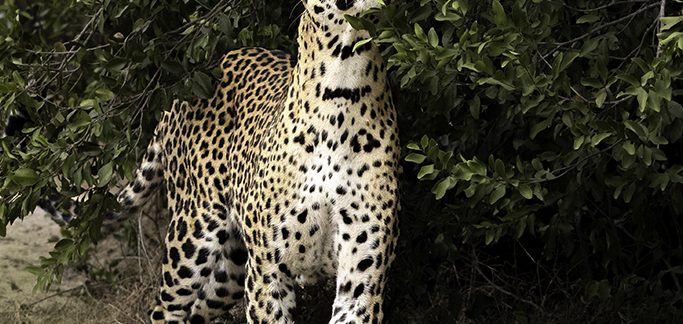
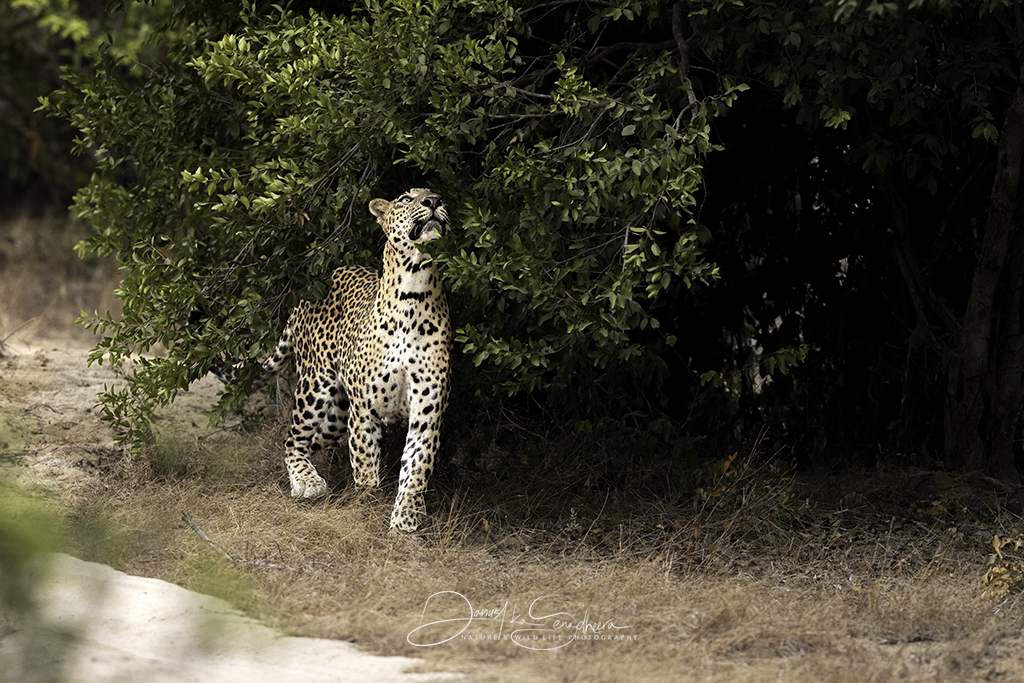
Rana (KLM29) sniffing to mark territory

Seeing Rana in his natural habitat, performing these instinctual activities, was an unforgettable experience. His powerful presence and the way he navigated his domain with confidence left us in awe. This encounter, albeit brief, offered a rare and intimate glimpse into the life of one of Kumana’s most elusive and majestic residents.

Rana (KLM29) on the road

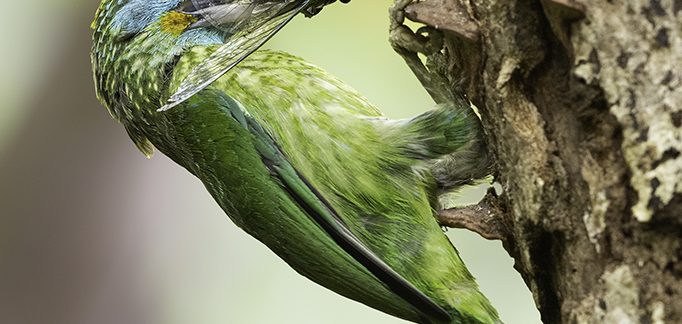
Yellow-fronted Barbet near Sinharaja Rain Forest

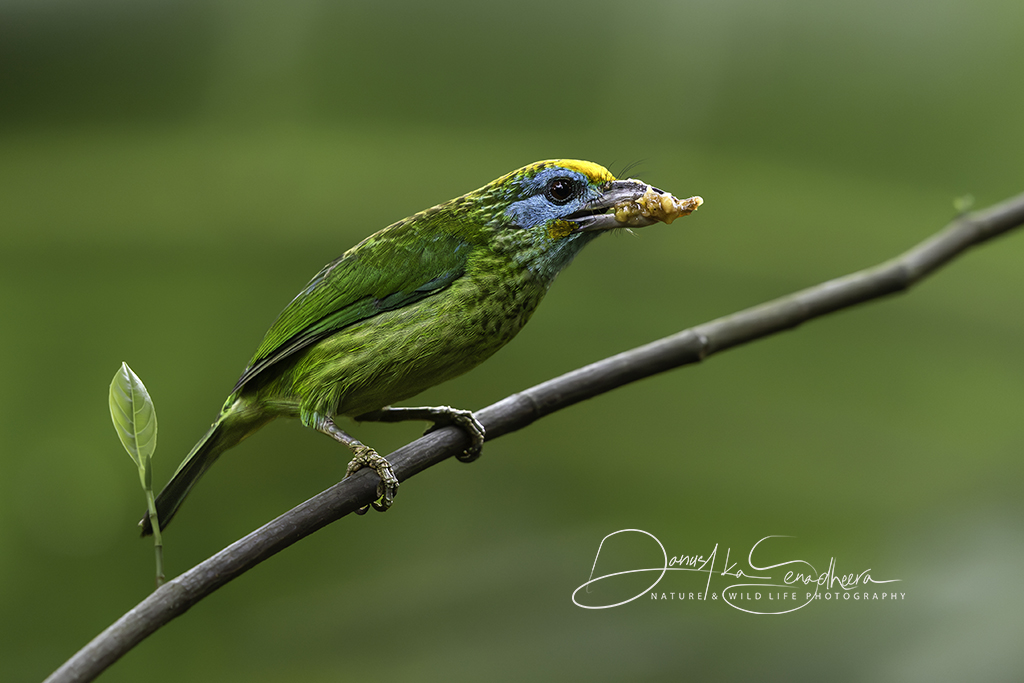
Yellow-fronted Barbet endemic to Sri Lanka

The yellow-fronted barbet is a small, endemic species in Sri Lanka, found primarily in the wet lowlands of the country. They typically appear in pairs and can be easily identified by their distinctive yellow foreheads. These birds are commonly seen in small forested areas and well-wooded home gardens, where they often visit bird feeders. Their diet mainly consists of wild berries, but when feeding their chicks, they rely on a diverse array of foods, including worms, insects, and wild berries.

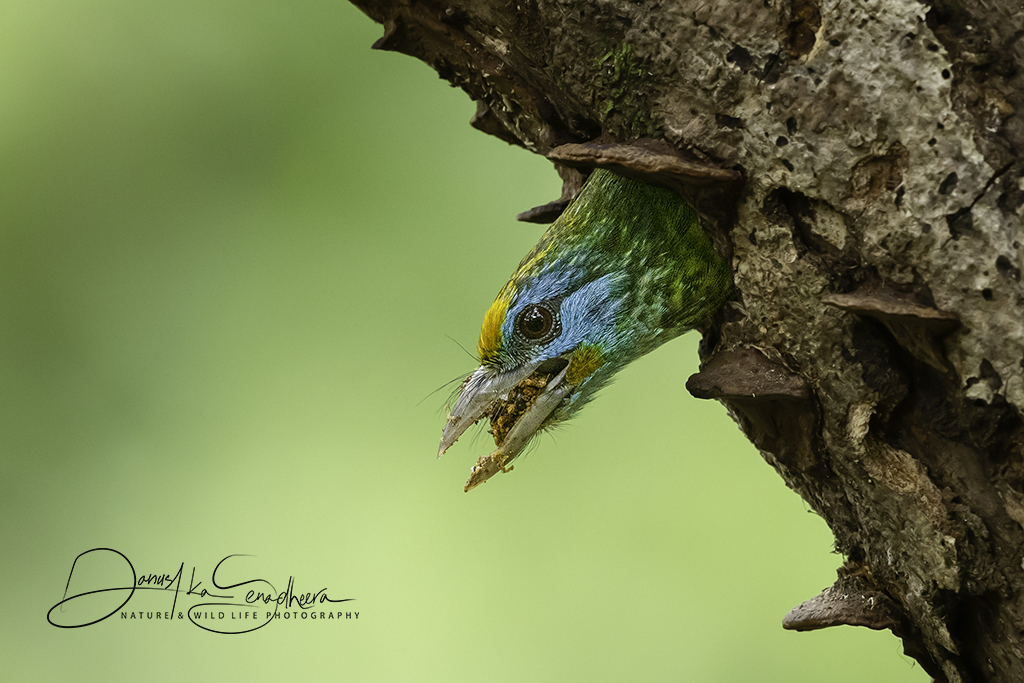
Like other barbet species, yellow-fronted barbets nest in holes created in dead trees or dead tree branches. Their usual nesting period is from February to May, during which they lay 2-3 eggs. Both parents are actively involved in nesting duties, from feeding to cleaning, a process that takes about two months.

I recently encountered a nesting pair last March in a home garden near the Kudawa entrance to the Sinharaja Rainforest. By the time I arrived, the eggs had already hatched, and the parents were busy feeding their chicks. From the vantage point of an outdoor kitchen, the nest and perches were clearly visible. This position provided me with enough cover and shelter from the rain, allowing me to observe without disturbing the birds or getting wet during occasional showers. It is very important to not to disturb nesting birds due to many which could lead them abandoning nest as well as other animals destroying nests. It is always recommended to be hidden while observing nests not only from nesting birds but also from other predatory animals.

One of the parents removing waste from nest

Although the light was less than ideal due to the rainy weather, I noticed that feeding activities were more frequent during breaks in the rain. I was fortunate enough to capture some beautiful photos while enjoying a cup of tea with homemade pure jaggery, just before the sun decided to hide completely for the day. This experience was a delightful blend of nature observation and personal enjoyment, made even more special by the charming behavior of the yellow-fronted barbets.

One of the parents bring food to nest

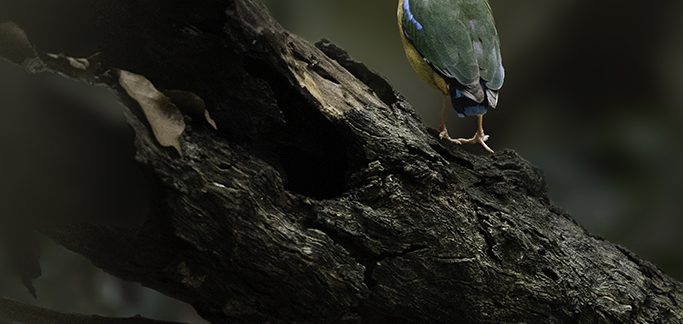
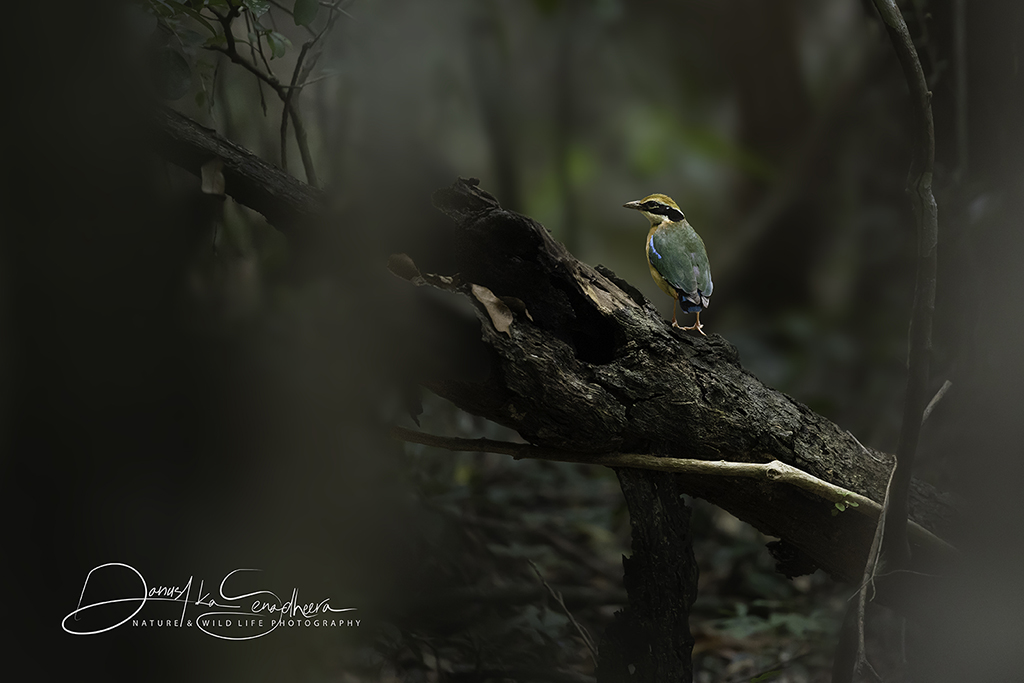
Indian Pitta at Wilpattu National Park

The Indian Pitta is one of the earliest winter migrant bird species to Sri Lanka. Its vibrant colors and unique call make it one of the best-known bird species on the island, found commonly throughout the country. Despite its abundance, photographing the Indian Pitta can be challenging due to its preferred habitat. The bird typically inhabits dense undergrowth, although it is often seen in the backyards of home gardens, hopping around in search of worms and insects. Its call is easy to mimic, and the bird responds quickly to imitations, more so than many other bird species.

This photo was taken at Wilpattu National Park. Nuwan – Wilpattu Megha Safari – spotted the Indian Pitta flying across the road and landing nearby. We spent some time searching for it, and eventually, it perched on a fallen tree, allowing us ample time to capture this beautiful habitat shot before it returned to the forest floor to feed.

#srilanka #wildlife #WildlifePhotography #birdphotography #birdwatching #bird #naturephotography #wildlifesafari #wilpattunationalpark #wilpattumeghasafari