๐—š๐—น๐—ถ๐—บ๐—ฝ๐˜€๐—ฒ ๐—ถ๐—ป๐˜๐—ผ ๐˜๐—ต๐—ฒ ๐—™๐—ผ๐—ฟ๐—ฒ๐˜€๐˜’๐˜€ ๐—š๐—ต๐—ผ๐˜€๐˜ โ€“ ๐—ง๐—ต๐—ฒ ๐—˜๐—ป๐—ถ๐—ด๐—บ๐—ฎ๐˜๐—ถ๐—ฐ ๐—ฆ๐—ฒ๐—ฟ๐—ฒ๐—ป๐—ฑ๐—ถ๐—ฏ ๐—ฆ๐—ฐ๐—ผ๐—ฝ๐˜€ ๐—ข๐˜„๐—น

The Serendib Scops Owl (Otus thilohoffmanni) is one of Sri Lankaโ€™s most enchanting and elusive owl speciesโ€”small in size, rich in character, and a true gem for birdwatchers. Endemic to the island, it can be found in dense lowland rainforests such as Sinharaja and Kithulgala, but spotting one requires the sharp eyes and local knowledge of an experienced bird guide.

These owls are most easily observed during their breeding season, typically from February to May, when they are more vocal and active around nest sites. Serendib Scops Owls usually nest in tree cavities, and both parents are involved in rearing the chicks. The chicks are typically dependent on the adults for around 4โ€“5 weeks before they begin learning to hunt independently.

They are often seen in pairs, and if you’re lucky, you might catch a glimpse of them with their young. The chicks are paler, with a whitish to light buff coloration and a fluffier appearance compared to the adults. Adult owls are more richly rufous or dark brown, with finely marked plumage that helps them blend into the forest.

This particular individual, likely a subadult, still lacked the deep rufous tones of a mature bird. I was fortunate to observe it during my recent visit to Kithulgala earlier this monthโ€”a rare and rewarding encounter with one of Sri Lankaโ€™s most captivating nocturnal birds.

Black-winged Kite

During my recent visits to Horton Plains National Park, the Black-winged Kite has become a regular feature of the landscape. These elegant raptors, often perched on the distant Maha Rathmal trees, can typically be spotted from the car park or near Kalu Palama. However, this time brought a delightful surprise โ€” we observed one gracefully hovering near the Mahaeliya Bungalow. Even better, a pair of these kites was present, with one landing on a Maha Rathmal tree close to the road, just before the Sri Pada viewpoint, offering us an excellent opportunity to capture a stunning habitat shot.

Black-winged kite roosted on a Maharathmal tree, Horton Plains National Park

Interestingly, the raptor population in Horton Plains seems to be on the rise. Alongside the Black-winged Kite, Steppe Buzzards, Brahminy Kites, Serpent Eagles, and the majestic Black Eagle are now frequent sightings. While this is thrilling for bird enthusiasts, it poses a significant challenge for the parkโ€™s lizard populations, which now face predation pressures from these growing numbers of raptors. Combined with the increasing crow population, the balance of the ecosystem faces a new test from these formidable aerial hunters.

Fascinating feathers

Feathers are one of natureโ€™s most extraordinary creations, intricately designed for a variety of purposes. Not only do they enable flight for birds, but they also serve as vital tools for insulation, protection, and communication. Composed primarily of keratin, the same protein found in human hair and nails, feathers are lightweight yet incredibly strong.

Each feather is a marvel of engineering. Flight feathers, for example, have a central shaft and a series of barbs that interlock, providing both flexibility and strength. This allows birds to soar gracefully through the sky. Down feathers, on the other hand, are soft and fluffy, trapping air to provide warmth even in the coldest environments.

Beyond their physical functions, feathers are a visual spectacle. They come in an astonishing array of colors and patterns, often used for camouflage, attracting mates, or intimidating rivals. The iridescent shimmer of a peacockโ€™s tail or the vibrant reds and yellows of a tropical parrot are stunning examples of natureโ€™s artistry.

Feathers have also inspired human culture, from ancient symbolism to modern fashion. They represent freedom, beauty, and elegance, making them a timeless symbol across civilizations. From their intricate structure to their diverse roles, feathers truly are one of the natural worldโ€™s most fascinating wonders.

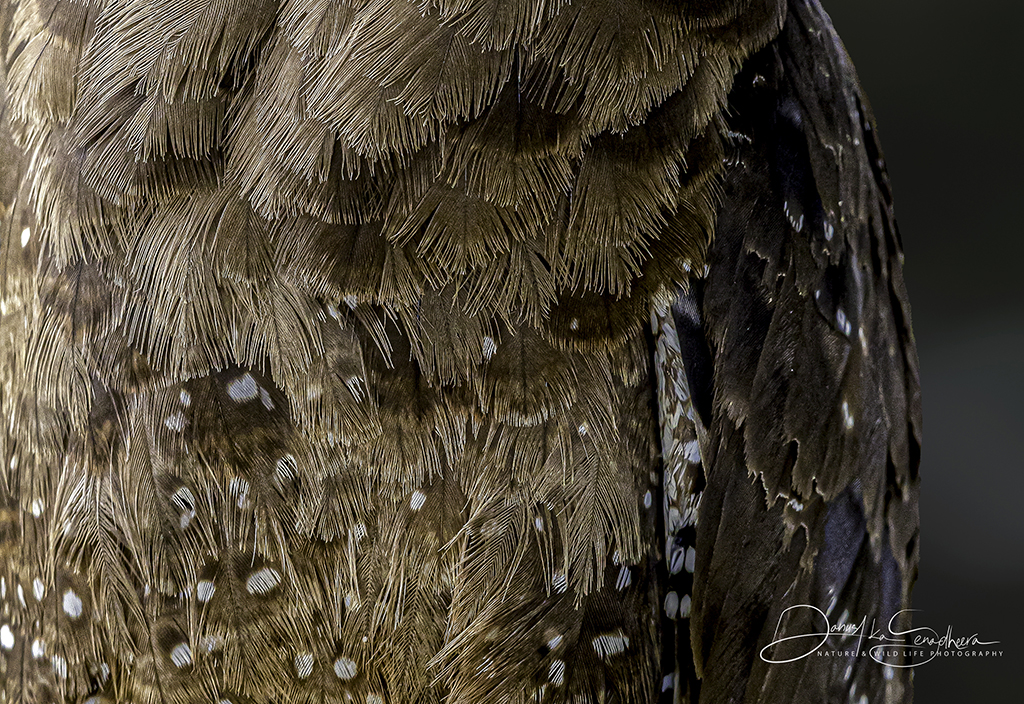
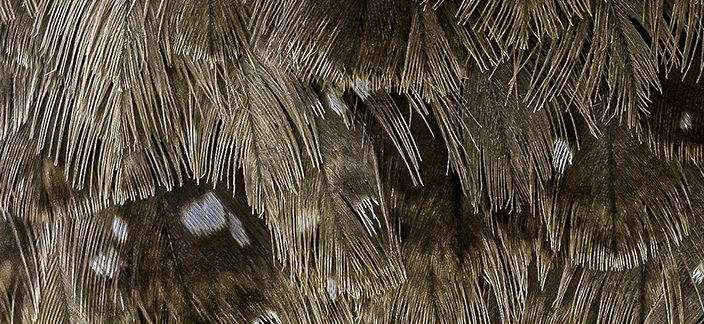
A closer encounter with a Crested Serpent Eagle at Kumana National Park, Sri Lanka gave me the opportunity to capture this detailed photo of its breast feathers. The detailed shades and patterns on the feathers are truly fascinating, showcasing the beauty and complexity of nature up close.
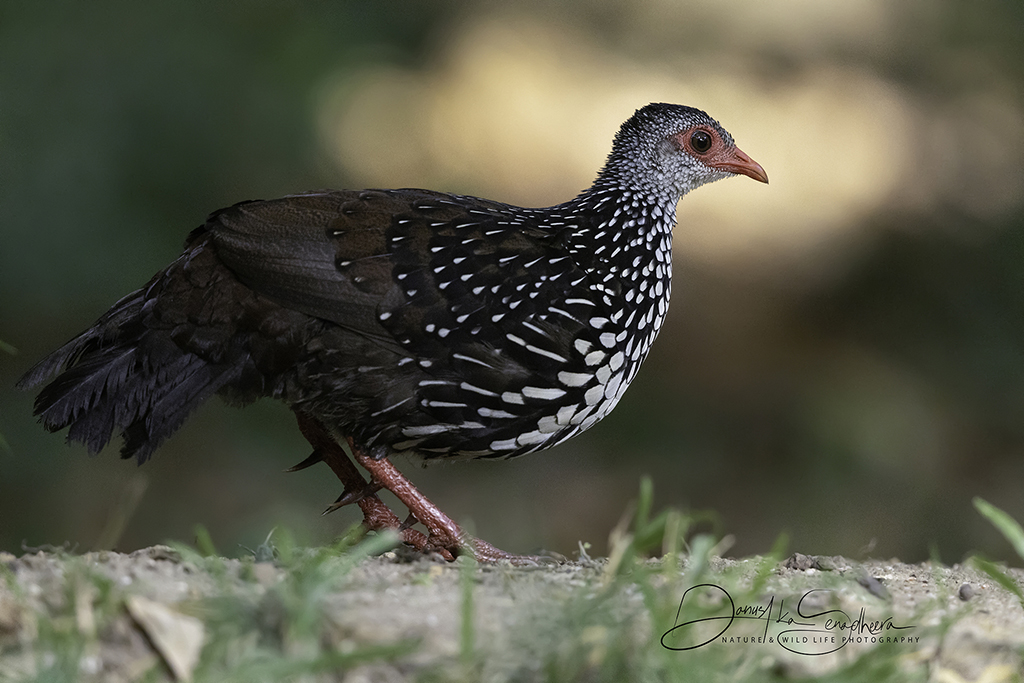
Sri Lanka Spurfowl (Galloperdix bicalcarata)

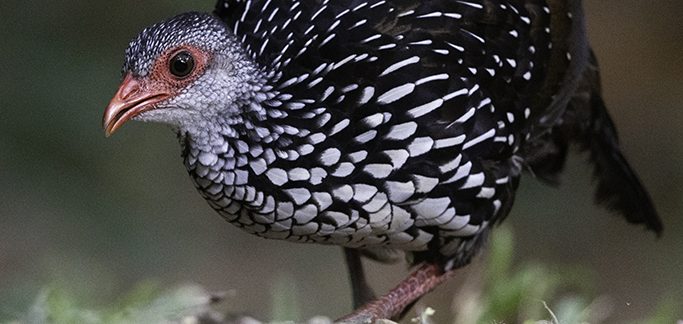
The Sri Lanka Spurfowl (Galloperdix bicalcarata) is a ground-dwelling bird species endemic to Sri Lanka, found primarily in dense forests and woodland areas. It belongs to the pheasant family, Phasianidae. The male spurfowl is distinguished by its dark brown plumage with a speckled pattern, a red facial patch, and prominent spurs on its legs, while females are duller in color with more subtle markings. Known for their shy and elusive nature, these birds are more often heard than seen, making sharp, loud calls, especially at dawn and dusk. They feed on insects, seeds, and small invertebrates, foraging in leaf litter.

Photographing these birds in wildness is very challenging as they live in dense undergrowth with very little light supporting photography. However they are use to come to some home gardens for food near forest patches around wet-zone forests like Sinharaja, Kanneliya, Makandawa, Nilgala, etc. With proper approach we can observe and photograph these birds when they come to home gardens with better lighting conditions. This was taken during my last visit to Nilgala.