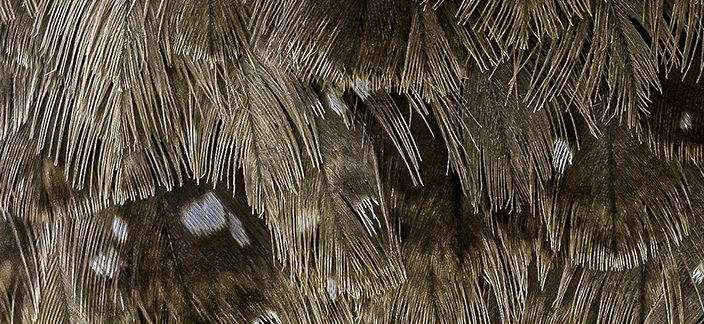
Feathers are one of nature’s most extraordinary creations, intricately designed for a variety of purposes. Not only do they enable flight for birds, but they also serve as vital tools for insulation, protection, and communication. Composed primarily of keratin, the same protein found in human hair and nails, feathers are lightweight yet incredibly strong.
Each feather is a marvel of engineering. Flight feathers, for example, have a central shaft and a series of barbs that interlock, providing both flexibility and strength. This allows birds to soar gracefully through the sky. Down feathers, on the other hand, are soft and fluffy, trapping air to provide warmth even in the coldest environments.
Beyond their physical functions, feathers are a visual spectacle. They come in an astonishing array of colors and patterns, often used for camouflage, attracting mates, or intimidating rivals. The iridescent shimmer of a peacock’s tail or the vibrant reds and yellows of a tropical parrot are stunning examples of nature’s artistry.
Feathers have also inspired human culture, from ancient symbolism to modern fashion. They represent freedom, beauty, and elegance, making them a timeless symbol across civilizations. From their intricate structure to their diverse roles, feathers truly are one of the natural world’s most fascinating wonders.
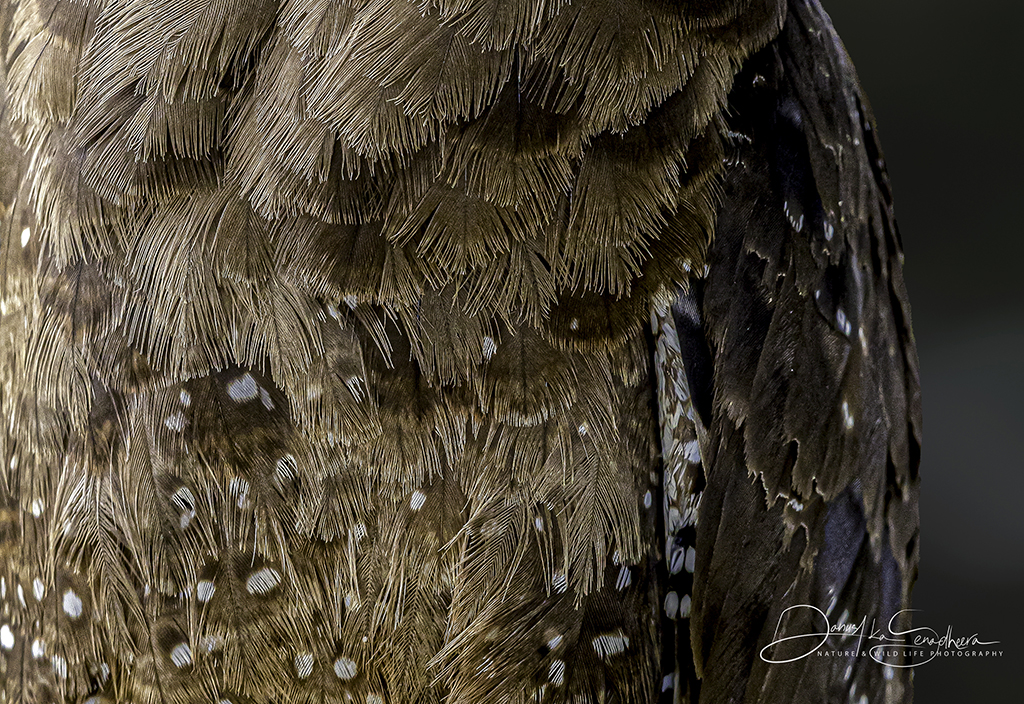
A closer encounter with a Crested Serpent Eagle at Kumana National Park, Sri Lanka gave me the opportunity to capture this detailed photo of its breast feathers. The detailed shades and patterns on the feathers are truly fascinating, showcasing the beauty and complexity of nature up close.