๐—š๐—น๐—ถ๐—บ๐—ฝ๐˜€๐—ฒ ๐—ถ๐—ป๐˜๐—ผ ๐˜๐—ต๐—ฒ ๐—™๐—ผ๐—ฟ๐—ฒ๐˜€๐˜’๐˜€ ๐—š๐—ต๐—ผ๐˜€๐˜ โ€“ ๐—ง๐—ต๐—ฒ ๐—˜๐—ป๐—ถ๐—ด๐—บ๐—ฎ๐˜๐—ถ๐—ฐ ๐—ฆ๐—ฒ๐—ฟ๐—ฒ๐—ป๐—ฑ๐—ถ๐—ฏ ๐—ฆ๐—ฐ๐—ผ๐—ฝ๐˜€ ๐—ข๐˜„๐—น

The Serendib Scops Owl (Otus thilohoffmanni) is one of Sri Lankaโ€™s most enchanting and elusive owl speciesโ€”small in size, rich in character, and a true gem for birdwatchers. Endemic to the island, it can be found in dense lowland rainforests such as Sinharaja and Kithulgala, but spotting one requires the sharp eyes and local knowledge of an experienced bird guide.

These owls are most easily observed during their breeding season, typically from February to May, when they are more vocal and active around nest sites. Serendib Scops Owls usually nest in tree cavities, and both parents are involved in rearing the chicks. The chicks are typically dependent on the adults for around 4โ€“5 weeks before they begin learning to hunt independently.

They are often seen in pairs, and if you’re lucky, you might catch a glimpse of them with their young. The chicks are paler, with a whitish to light buff coloration and a fluffier appearance compared to the adults. Adult owls are more richly rufous or dark brown, with finely marked plumage that helps them blend into the forest.

This particular individual, likely a subadult, still lacked the deep rufous tones of a mature bird. I was fortunate to observe it during my recent visit to Kithulgala earlier this monthโ€”a rare and rewarding encounter with one of Sri Lankaโ€™s most captivating nocturnal birds.

Black-winged Kite

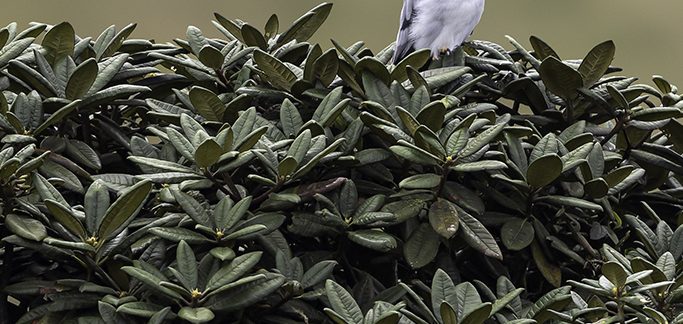
During my recent visits to Horton Plains National Park, the Black-winged Kite has become a regular feature of the landscape. These elegant raptors, often perched on the distant Maha Rathmal trees, can typically be spotted from the car park or near Kalu Palama. However, this time brought a delightful surprise โ€” we observed one gracefully hovering near the Mahaeliya Bungalow. Even better, a pair of these kites was present, with one landing on a Maha Rathmal tree close to the road, just before the Sri Pada viewpoint, offering us an excellent opportunity to capture a stunning habitat shot.

Black-winged kite roosted on a Maharathmal tree, Horton Plains National Park

Interestingly, the raptor population in Horton Plains seems to be on the rise. Alongside the Black-winged Kite, Steppe Buzzards, Brahminy Kites, Serpent Eagles, and the majestic Black Eagle are now frequent sightings. While this is thrilling for bird enthusiasts, it poses a significant challenge for the parkโ€™s lizard populations, which now face predation pressures from these growing numbers of raptors. Combined with the increasing crow population, the balance of the ecosystem faces a new test from these formidable aerial hunters.

Trogon of Rainforest

It had been quite a while since my last trip to Sinharaja, as the heavy and unpredictable rains had kept me away longer than planned. During a brief break in the weather, I finally returned for some birdwatching with a friend and my regular guide, Thilak. Although we spotted a few bird flocks, photographing them was challenging due to low light and the birdsโ€™ positions high in the tree canopy.

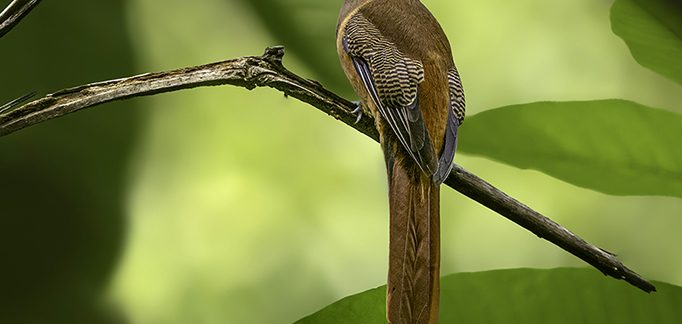
Malabar Trogon – Female

While following one of the flocks, Thilak spotted a pair of Malabar trogonย (Harpactes fasciatus). We followed them along the trail, though, surprisingly, both birds were femaleโ€”usually, Trogons are found in male-female pairs. The male typically sports bright red plumage, while females display a softer, orange hue. One of the females paused just long enough on a bare tree branch, framed by leaves, giving me a perfect opportunity to capture this beautiful shot.

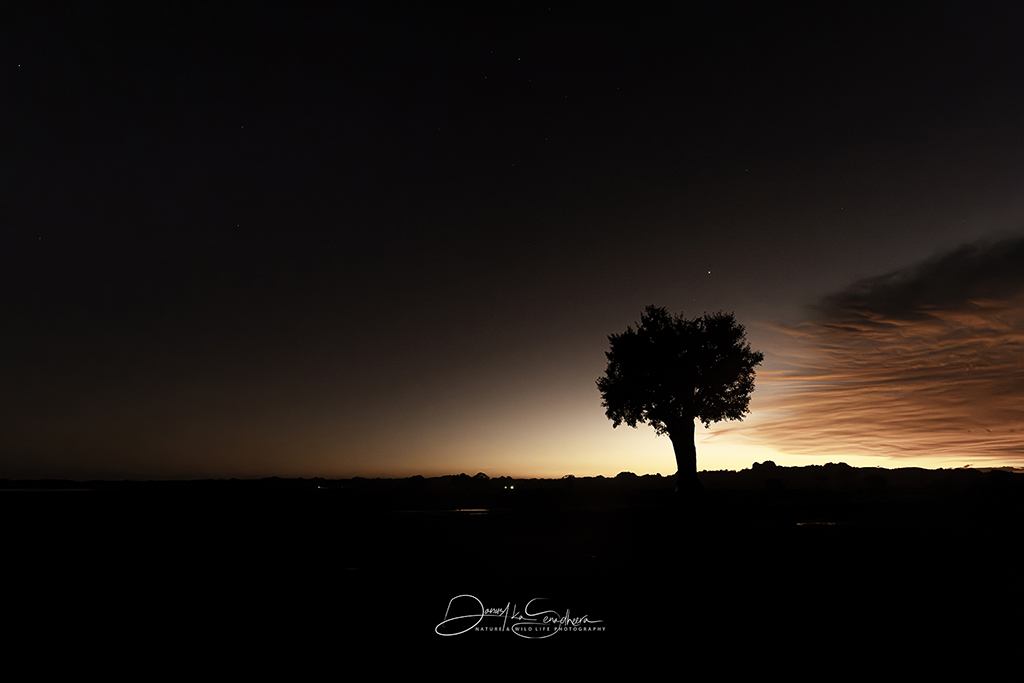
Sunset over Kudumbigala Monastery


The dawn en route to Kumana National Park is almost always breathtaking, with colors that transform the sky in a captivating display. However, the timing required to reach the park entrance often makes it difficult to pause and fully appreciate this morning beauty. On the final day of our last visit, as we returned from the park, we were met with an equally stunning scene: the sun setting over the Kudumbigala Monastery. This sunset was a sight we couldnโ€™t resist. A solitary tree standing at the roadside added a unique touch, silhouetted against the vibrant sky, creating a perfect focal point in the landscape. The scene was further enhanced by the headlights of safari jeeps approaching in the distance, casting a warm glow that complemented the colors of the sunset.

Sunset over Kudumbigala Monastery

A Return to the Wild: Rediscovering Yala

Yala National Park, once a place of solitude and connection with nature, doesnโ€™t feel as comfortable as it used to be for me. Sixteen years ago, a simple work outing to Yala changed everything. I remember vividlyโ€”the moment I clicked the shutter on my camera and captured Kublai Khan, the legendary great tusker of Yalaโ€”it sparked a passion for wildlife that has only grown stronger with time.

Since then, visiting Yala twice a month became a routine, each trip fueling my fascination with the wild. But as the crowds have grown and the atmosphere changed, Iโ€™ve found myself seeking out quieter cornersโ€”Wilpattu, Yala Block 5โ€”where the essence of the wilderness is still untouched. There, surrounded by the sounds of nature and away from the overwhelming crowds, Iโ€™ve been able to truly observe and photograph everything from elusive leopards to vibrant birds, and so much more.

Despite my countless visits, there was one part of Yala I had never experiencedโ€”Heenwewa Bungalow. That changed last May when I finally had the chance to stay there. It had been a while since my last trip to Yala, but fortunately, my trusted safari guide, Theekshana Lakshan of Yala Bigcat Safari, was available. Together, we ventured into the less-traveled areas of the park, avoiding the crowds, and it paid off. We captured some breathtaking moments that reminded me why Yala became such a significant part of my life all those years ago.

Elusive little beauties of Nilgala

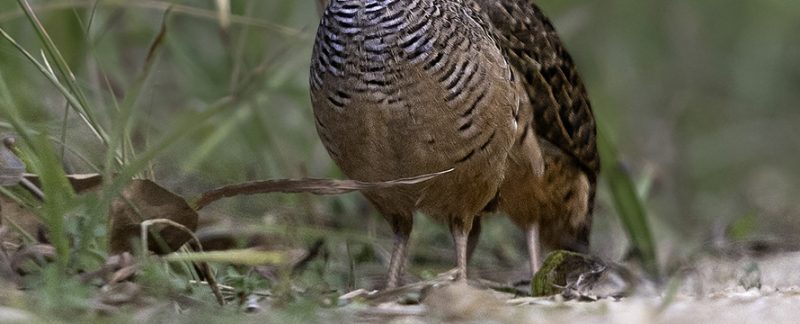
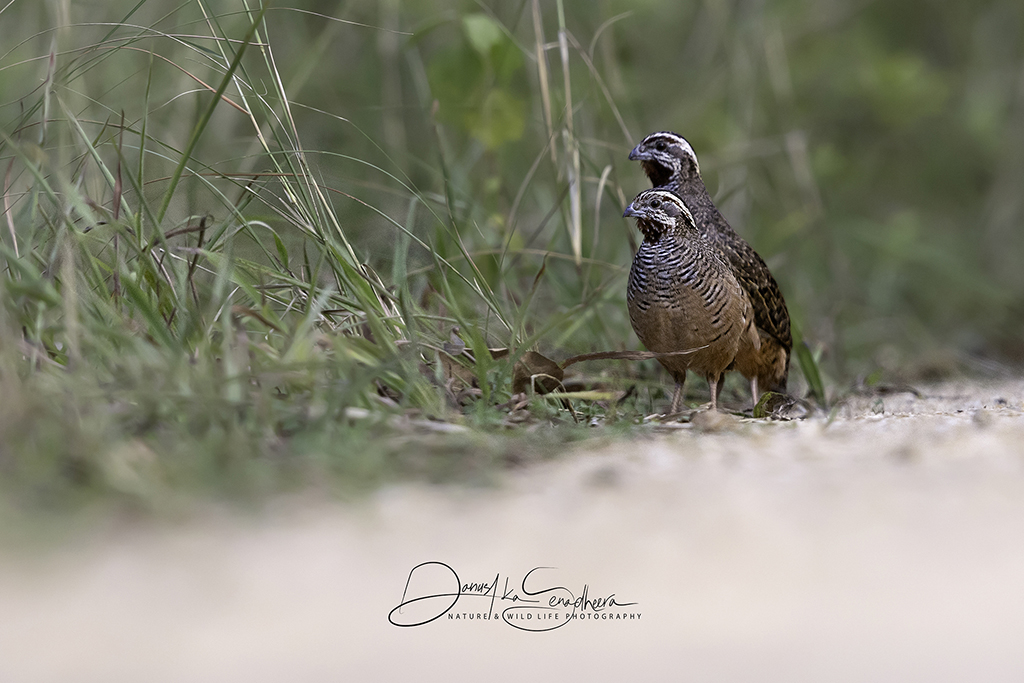
An isolated population of jungle bush quails is found in Gal Oya National Park, particularly around the Nilgala area. These birds live in small flocks, primarily inhabiting savannas and grasslands, where they prefer walking over flying. The savanna-like landscape, shaped by frequent wildfires, provides an ideal habitat for them. Despite several visits to Nilgala, I struggled to capture satisfactory photographs of these elusive birds due to their shy nature and the challenging terrain. However, on my most recent trip, I managed to capture a few good shots of them, marking a rewarding end to my efforts.

Jungle bush Quails – NIlgala, Galoya National Park

Fascinating feathers

Feathers are one of natureโ€™s most extraordinary creations, intricately designed for a variety of purposes. Not only do they enable flight for birds, but they also serve as vital tools for insulation, protection, and communication. Composed primarily of keratin, the same protein found in human hair and nails, feathers are lightweight yet incredibly strong.

Each feather is a marvel of engineering. Flight feathers, for example, have a central shaft and a series of barbs that interlock, providing both flexibility and strength. This allows birds to soar gracefully through the sky. Down feathers, on the other hand, are soft and fluffy, trapping air to provide warmth even in the coldest environments.

Beyond their physical functions, feathers are a visual spectacle. They come in an astonishing array of colors and patterns, often used for camouflage, attracting mates, or intimidating rivals. The iridescent shimmer of a peacockโ€™s tail or the vibrant reds and yellows of a tropical parrot are stunning examples of natureโ€™s artistry.

Feathers have also inspired human culture, from ancient symbolism to modern fashion. They represent freedom, beauty, and elegance, making them a timeless symbol across civilizations. From their intricate structure to their diverse roles, feathers truly are one of the natural worldโ€™s most fascinating wonders.

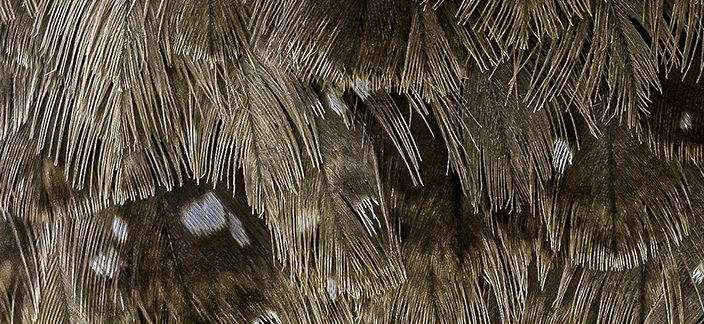
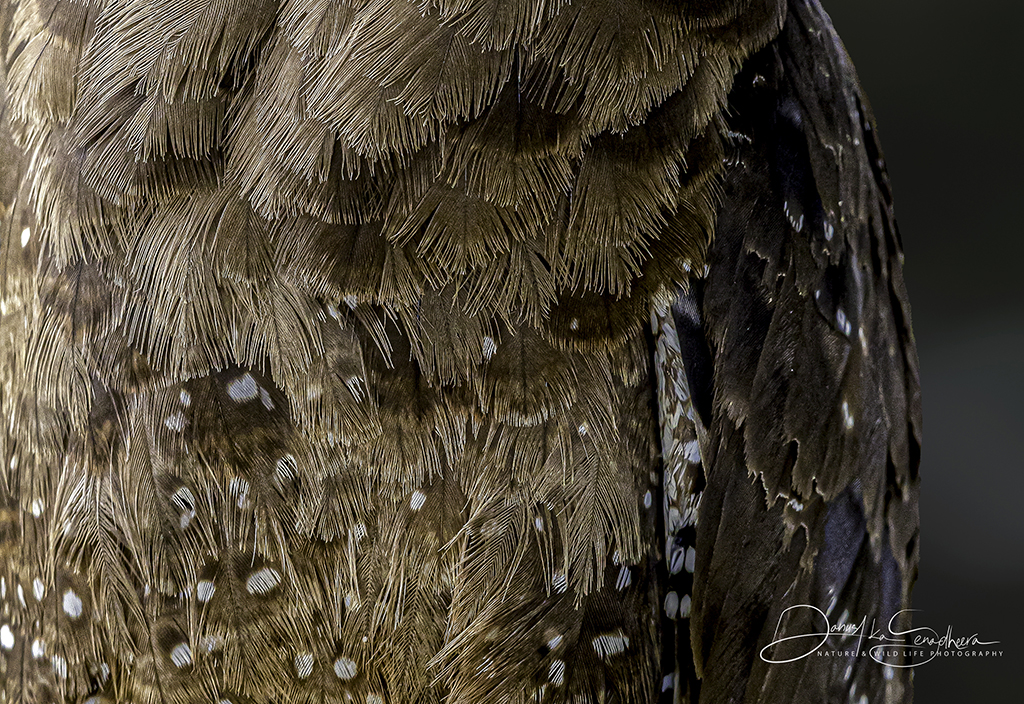
A closer encounter with a Crested Serpent Eagle at Kumana National Park, Sri Lanka gave me the opportunity to capture this detailed photo of its breast feathers. The detailed shades and patterns on the feathers are truly fascinating, showcasing the beauty and complexity of nature up close.

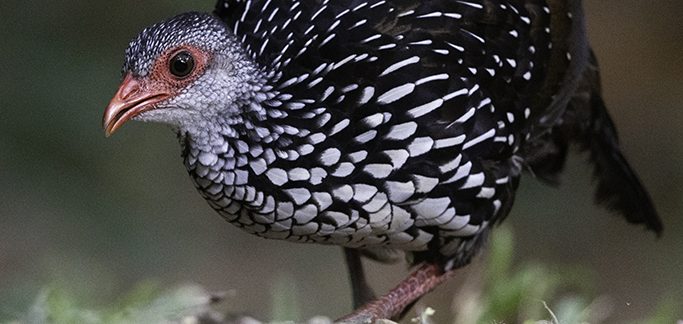
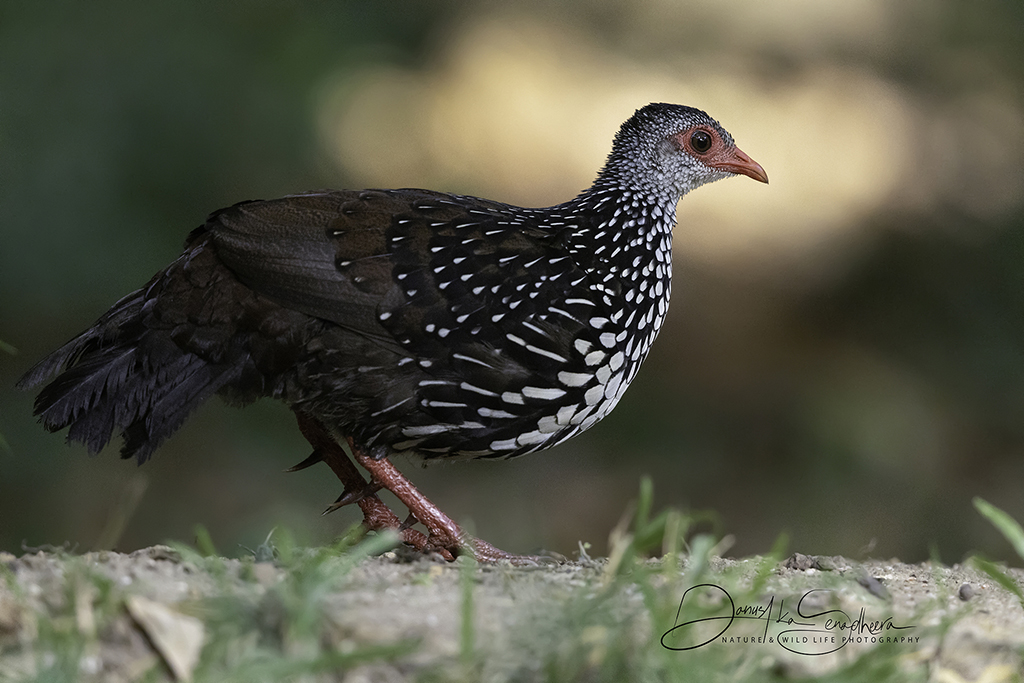
Sri Lanka Spurfowl (Galloperdix bicalcarata)

The Sri Lanka Spurfowl (Galloperdix bicalcarata) is a ground-dwelling bird species endemic to Sri Lanka, found primarily in dense forests and woodland areas. It belongs to the pheasant family, Phasianidae. The male spurfowl is distinguished by its dark brown plumage with a speckled pattern, a red facial patch, and prominent spurs on its legs, while females are duller in color with more subtle markings. Known for their shy and elusive nature, these birds are more often heard than seen, making sharp, loud calls, especially at dawn and dusk. They feed on insects, seeds, and small invertebrates, foraging in leaf litter.

Photographing these birds in wildness is very challenging as they live in dense undergrowth with very little light supporting photography. However they are use to come to some home gardens for food near forest patches around wet-zone forests like Sinharaja, Kanneliya, Makandawa, Nilgala, etc. With proper approach we can observe and photograph these birds when they come to home gardens with better lighting conditions. This was taken during my last visit to Nilgala.

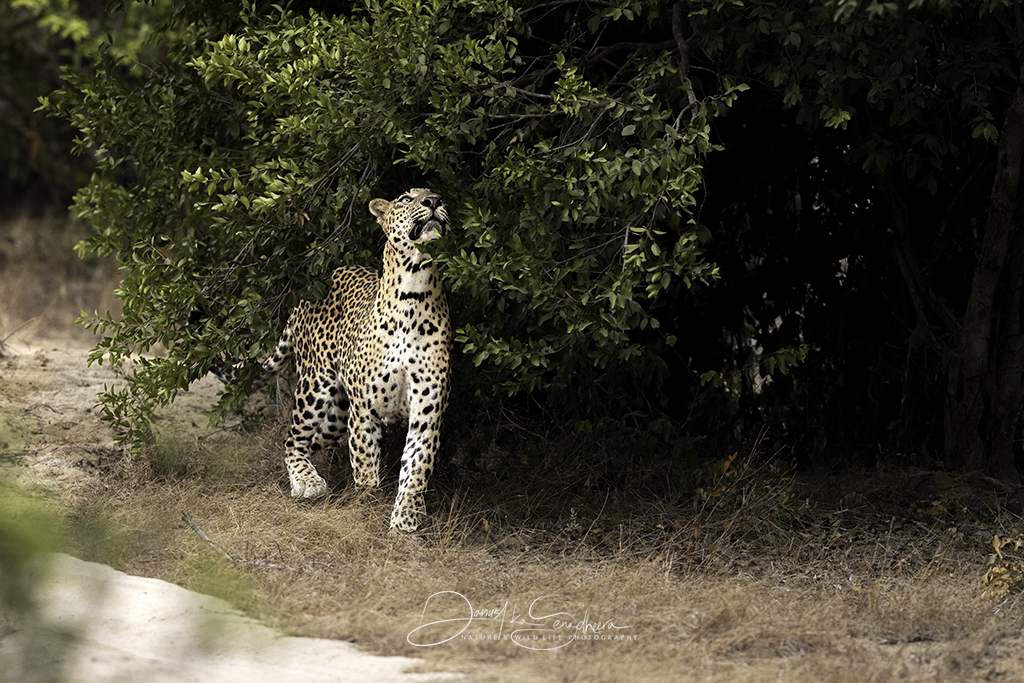
Encounter Rana (KLM29) on a territory walk

It was early in the morning, and we were the second safari jeep to enter Kumana National Park. Our wildlife guide, Sasika, and safari driver, Pradeep, decided to turn onto Kiripokuna Road while the other jeep continued on the main road. As we reached the third bund on Kiripokuna Road, both Shashika and Pradeep pointed toward the road where a leopard was crossing toward the bund. We gave it some room, and it returned to the road. It was a mature male leopard, later identified as Rana (KLM29).

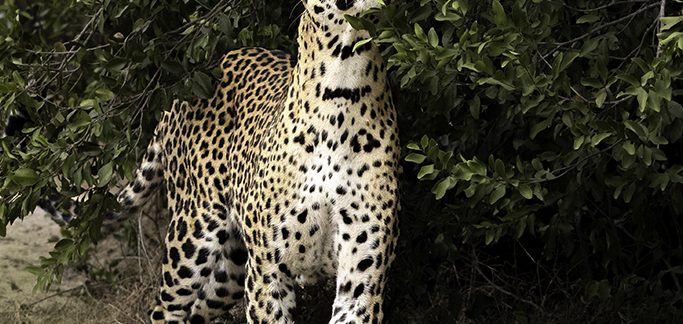
Rana (KLM29) sniffing to mark territory

Seeing Rana in his natural habitat, performing these instinctual activities, was an unforgettable experience. His powerful presence and the way he navigated his domain with confidence left us in awe. This encounter, albeit brief, offered a rare and intimate glimpse into the life of one of Kumana’s most elusive and majestic residents.

Rana (KLM29) on the road

Greater Racket-tailed Drongo

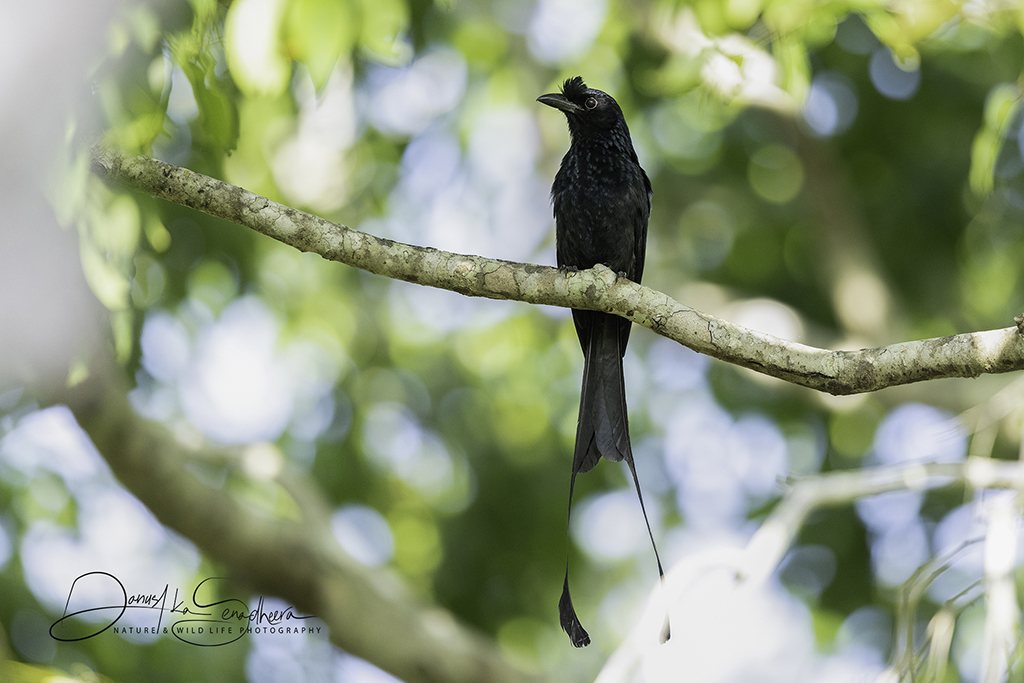
The Greater Racket-tailed Drongo primarily inhabits dense forests and woodlands, including both lowland and montane forests. It is commonly found in primary forests but can also adapt to secondary growth forests and plantations, demonstrating some flexibility in its habitat preferences. This drongo tends to favor areas with tall trees and dense canopy cover, where it can adeptly navigate and hunt for its prey. It is an agile and active bird, known for its acrobatic flight and remarkable vocal abilities. It often mimics the calls of other birds, adding to its diverse repertoire of sounds.

While the Greater Racket-tailed Drongo is not currently listed as endangered, its habitat in Sri Lanka is under pressure from deforestation and habitat fragmentation. Conservation efforts aimed at preserving Sri Lanka’s forest ecosystems are vital for ensuring the continued survival of this captivating species.

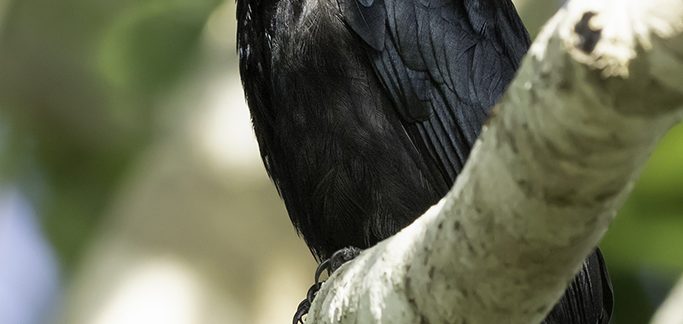
Greater Racket-tailed Drongo perched on a branch of a Madam tree

Due to its habitat, the Greater Racket-tailed Drongo is a difficult bird to photograph. During our last visit to Kumana National Park, we were fortunate to spot this beautiful individual. We were on the bund of a reservoir, and the bird was perched on a large Madam tree in the distance. This vantage point provided us with a slight advantage, allowing us to match the canopy height where the drongo was perched.