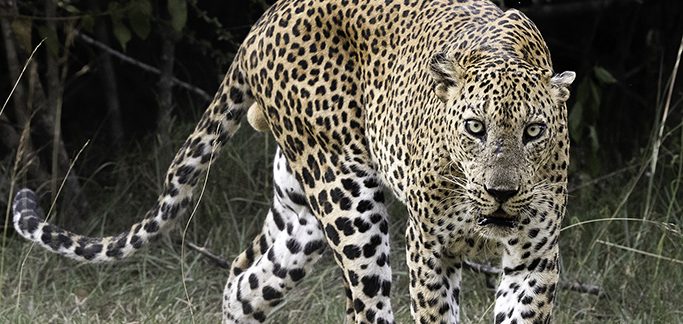
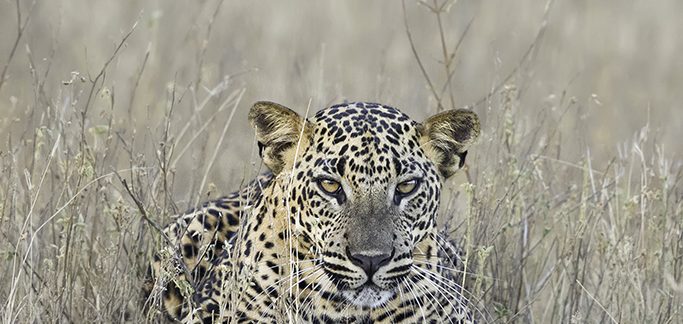
Meet Baagu (බාගු – KLM2), the Majestic King of Kumana National Park

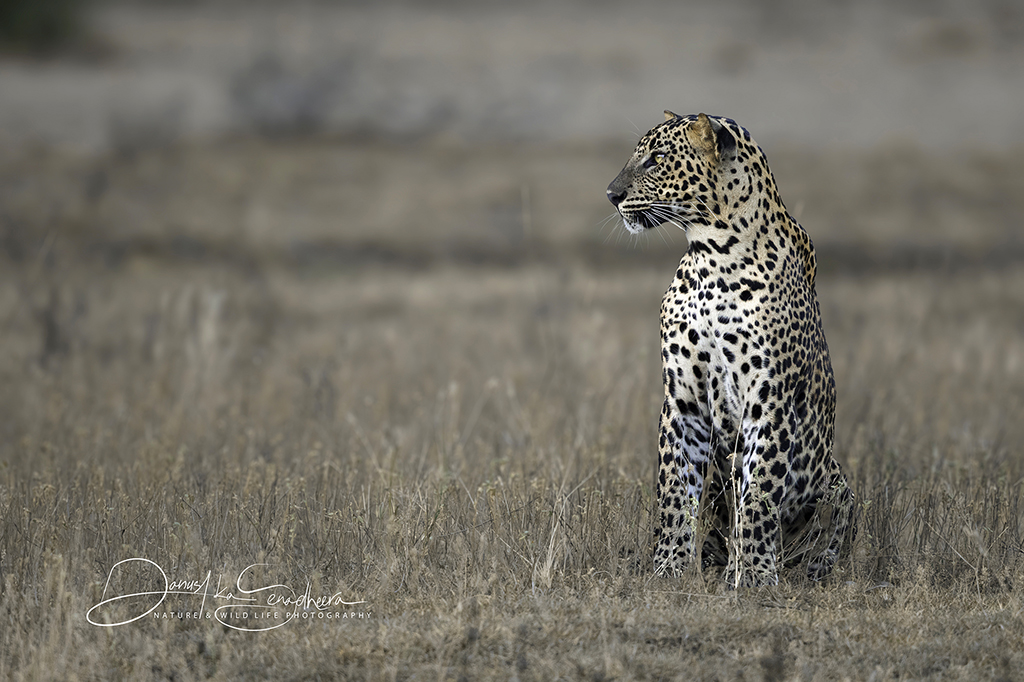
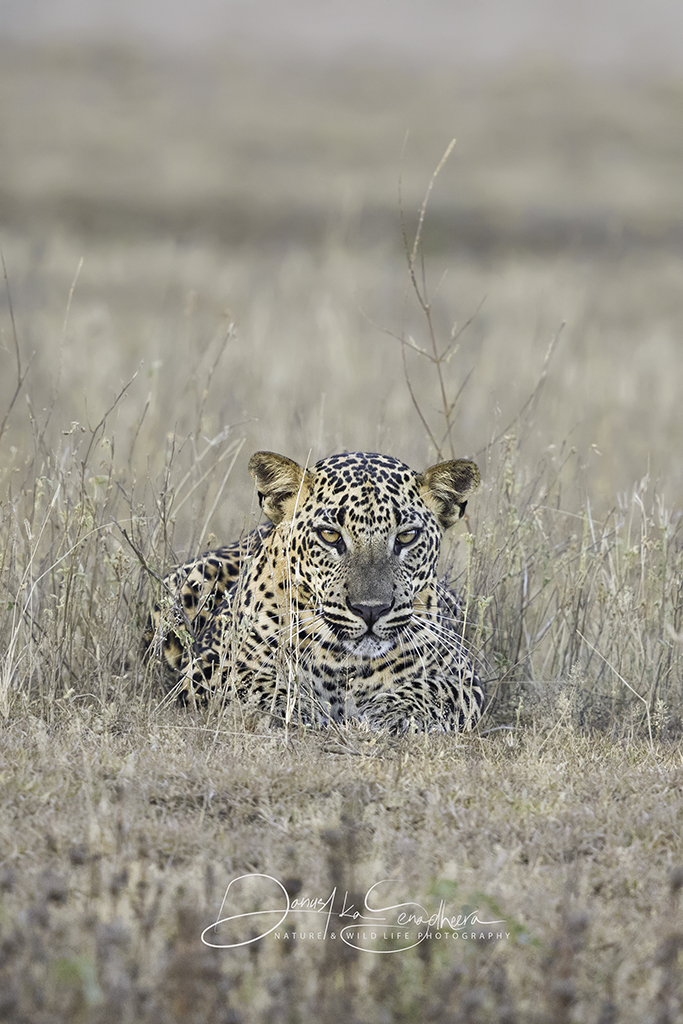
Baagu, also known as KLM2, is a dominant male leopard who reigns supreme in Kumana National Park. Known for his extensive territory, Baagu is a frequent sight within his domain. As one of the first recorded male leopards by kumanaLeopards.com, he is quite old but continues to assert his dominance despite his age.

\Recently, we learned that Baagu had a confrontation with Rana (KLM29), a formidable male leopard with overlapping territory. Despite the clash, Baagu appeared in great shape when we encountered him on Diwulpallama Wewa Road on the evening of June 22nd. This was my second time photographing this dominant leopard.

The scars on and around Baagu’s face tell a story of the struggles he has faced throughout his life—struggles that have ultimately shaped him into the powerful and enduring killing machine he is today.

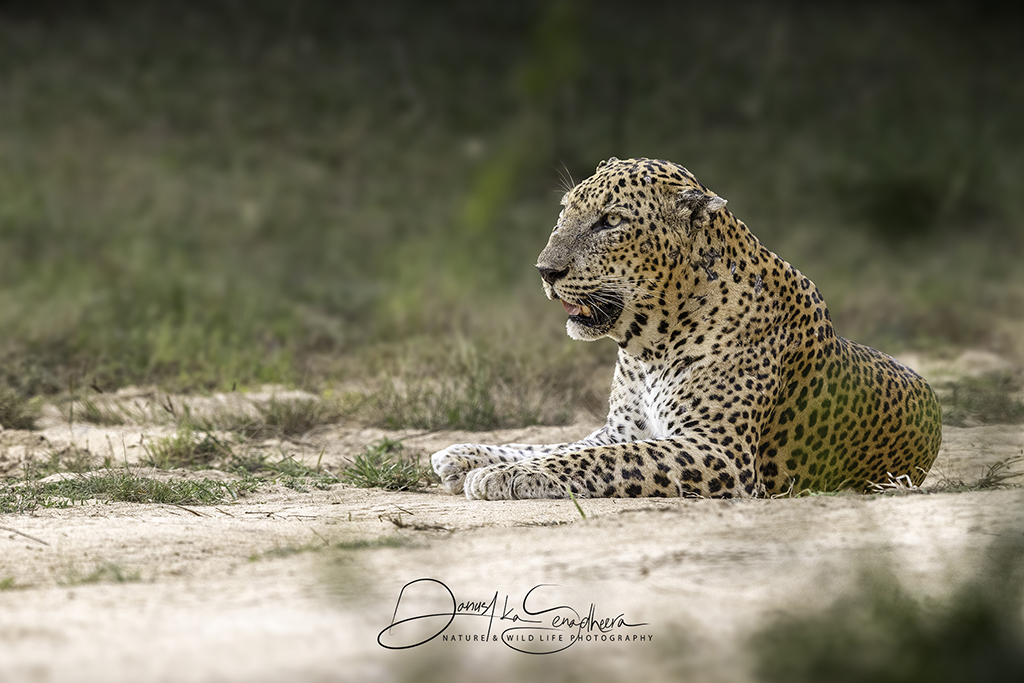
Leopard in Yala Y Junction

It has been a long time since I posted a leopard photo. None of the sightings from the beginning of the year were satisfying, as almost all of them were on the move. Of course, I do not visit Yala, Wilpattu, or any other national park as often as I used to in the good old days. So, I had to dig deep into my old photos to see what I hadn’t posted yet.

To my surprise, there were quite a lot of photos that hadn’t caught my attention before. I picked this one out of many because I really liked the isolated background. We don’t often get such deep backgrounds in Yala National Park. I think this was taken somewhere near Y Junction under extremely dry conditions during July six years ago.

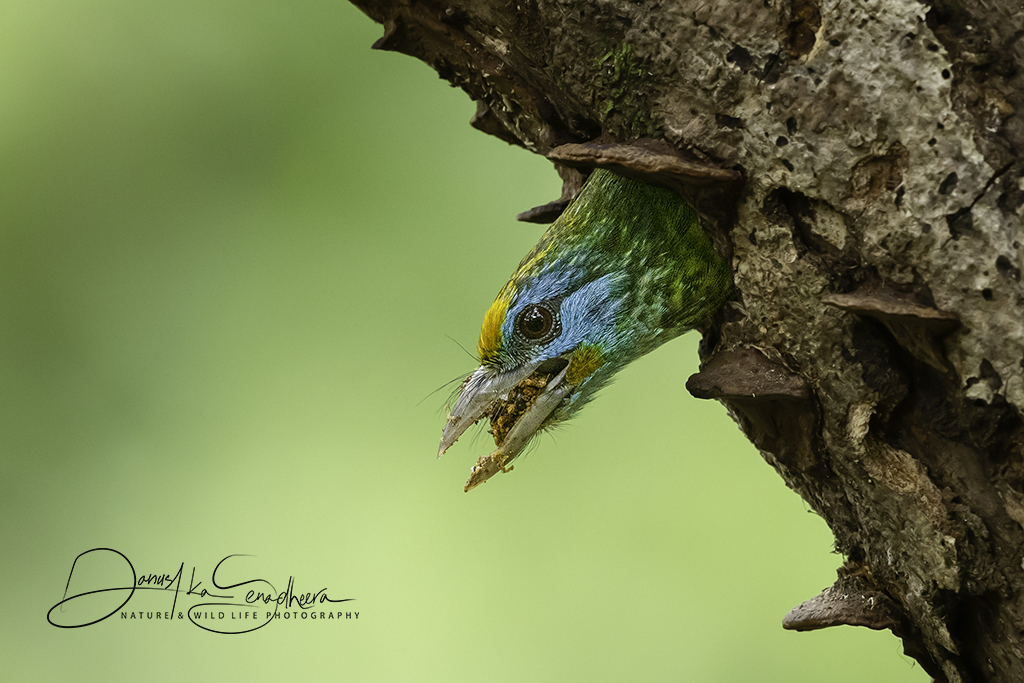
Yellow-fronted Barbet near Sinharaja Rain Forest

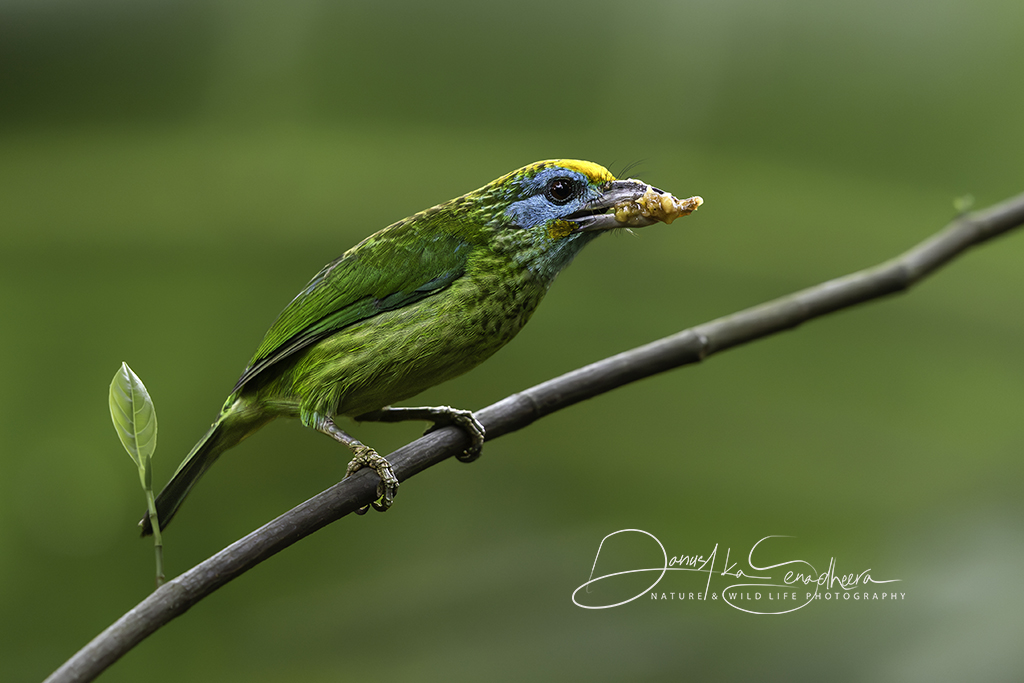
Yellow-fronted Barbet endemic to Sri Lanka

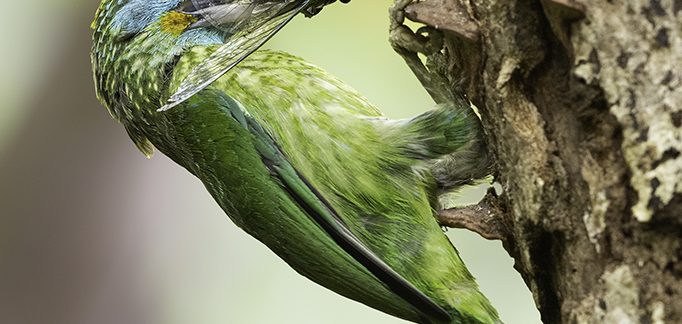
The yellow-fronted barbet is a small, endemic species in Sri Lanka, found primarily in the wet lowlands of the country. They typically appear in pairs and can be easily identified by their distinctive yellow foreheads. These birds are commonly seen in small forested areas and well-wooded home gardens, where they often visit bird feeders. Their diet mainly consists of wild berries, but when feeding their chicks, they rely on a diverse array of foods, including worms, insects, and wild berries.

Like other barbet species, yellow-fronted barbets nest in holes created in dead trees or dead tree branches. Their usual nesting period is from February to May, during which they lay 2-3 eggs. Both parents are actively involved in nesting duties, from feeding to cleaning, a process that takes about two months.

I recently encountered a nesting pair last March in a home garden near the Kudawa entrance to the Sinharaja Rainforest. By the time I arrived, the eggs had already hatched, and the parents were busy feeding their chicks. From the vantage point of an outdoor kitchen, the nest and perches were clearly visible. This position provided me with enough cover and shelter from the rain, allowing me to observe without disturbing the birds or getting wet during occasional showers. It is very important to not to disturb nesting birds due to many which could lead them abandoning nest as well as other animals destroying nests. It is always recommended to be hidden while observing nests not only from nesting birds but also from other predatory animals.

One of the parents removing waste from nest

Although the light was less than ideal due to the rainy weather, I noticed that feeding activities were more frequent during breaks in the rain. I was fortunate enough to capture some beautiful photos while enjoying a cup of tea with homemade pure jaggery, just before the sun decided to hide completely for the day. This experience was a delightful blend of nature observation and personal enjoyment, made even more special by the charming behavior of the yellow-fronted barbets.

One of the parents bring food to nest

Explore truskers in central Sri Lanka

Even though elephants are not rare in Sri Lanka, elephants with tusks are a rare occurrence in this island nation. Likely due to poaching, trophy hunting, and the domestication of wild elephants, the gene associated with having tusks has become rare among the population. While more than 50% of male elephants in neighboring India have tusks, in Sri Lanka, less than 15% of male elephants bear tusks. Even today, tusked elephants remain vulnerable due to the black market demand for ivory.

The central part of Sri Lanka has the highest population of these remaining magnificent tuskers. Finding and photographing these elephants is an adventure in itself, as males only join herds during their mating period, a time when they are quite aggressive. Despite our contacts in nearby villages keeping an eye out for them, locating these elephants in the many scattered forest patches is quite challenging. However, during our last expedition in March 2024, we managed to find two of these majestic giants.

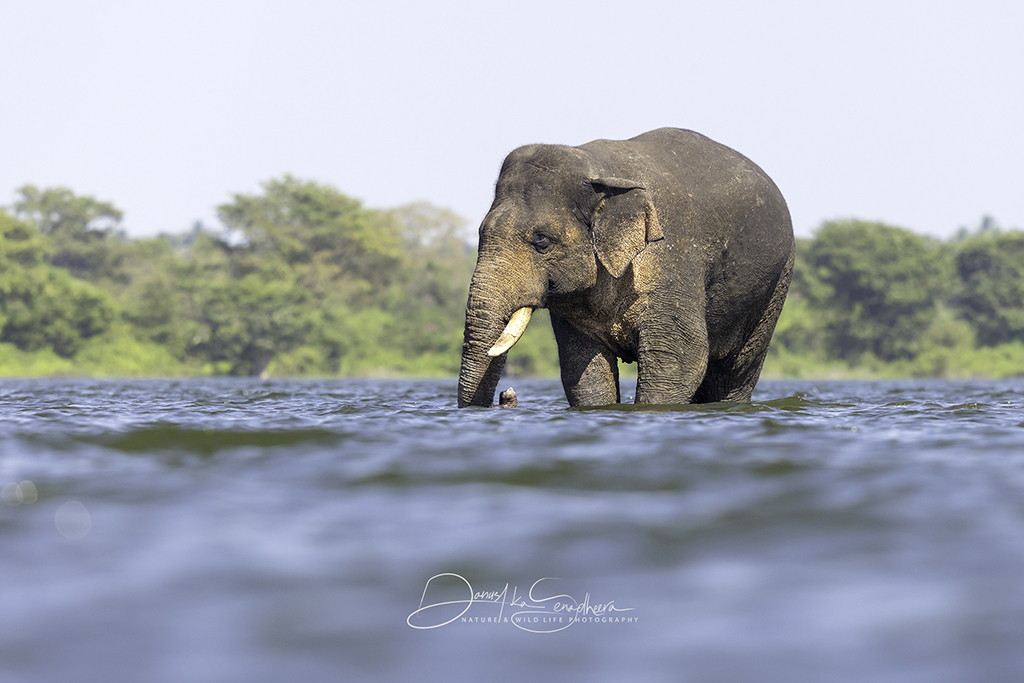
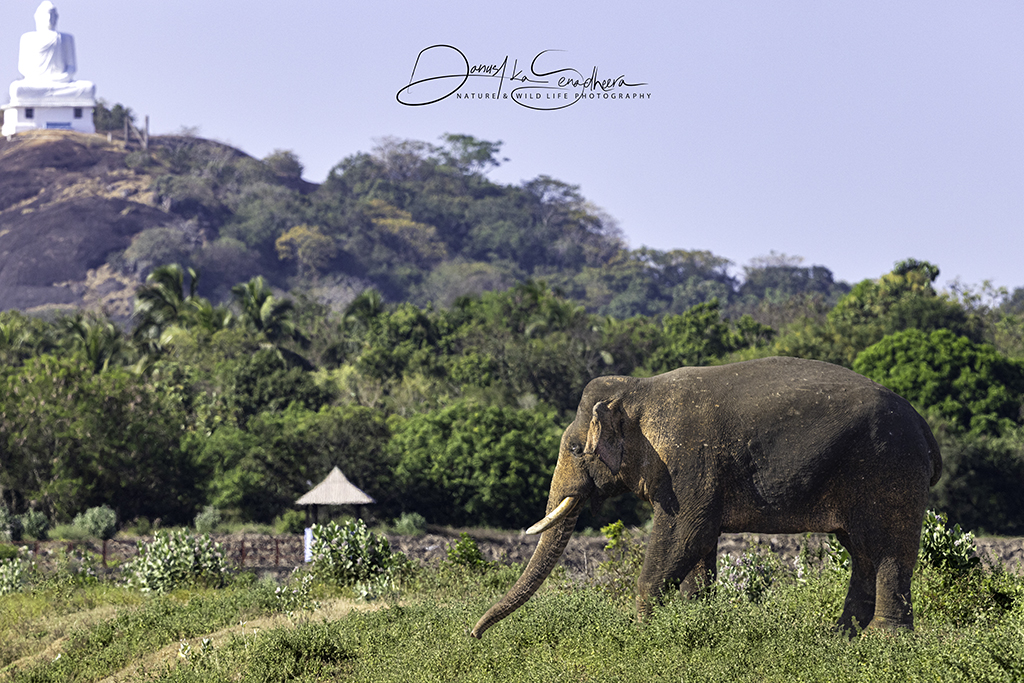
One tusker was spotted right in the middle of a huge lake. A crowd had gathered to see it, and we waited about two hours for it to come closer so we could take some decent photographs. Finally, it approached the lake’s bank, allowing us to capture some great shots.

Single tusker in the middle of a lake
Single tusker on top of the bank of a lake

The tusker known as Ratta, still in its youth, proved particularly elusive. Just as we were about to give up around five in the evening, we received a lead from a villager and decided to give it one last try. When we arrived at the location, there it was, with a herd of about ten elephants. Ratta was very aggressive, but just before the light faded, we managed to capture a few snaps of this beautiful creature.

Tusker known as Ratta peaking from a forest patch

Sunset over Lake Heenwewa

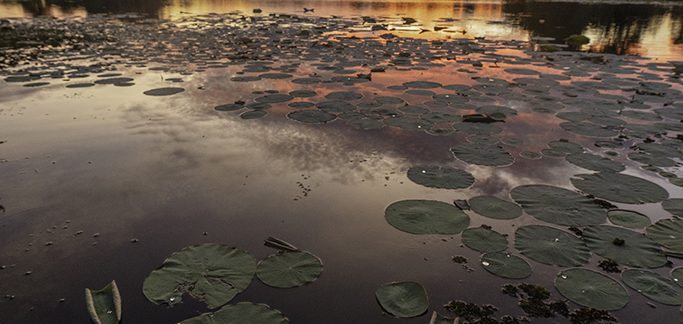
Heenwewa, one of the many man-made water reservoirs nestled within Yala National Park, stands as a testament to the ingenuity of ancient Sri Lankans. These reservoirs, meticulously constructed, were vital for storing water during the dry season, primarily to sustain agriculture. Scattered across the dry zone of the country, they are a remarkable feature of Sri Lanka’s landscape.

Heenwewa holds a special charm, as it is accompanied by a Wildlife Bungalow situated right on its banks. My stay at this bungalow afforded me a unique opportunity to witness and capture the serene beauty of the lake. As the sun dipped below the horizon, the sky exploded in a symphony of colors, reflecting off the tranquil waters of Heenwewa. The surface, adorned with delicate water lily leaves, mirrored the vibrant hues of the sunset, creating a breathtaking tableau of nature’s artistry. The combination of the shimmering lake, the lush vegetation surrounding it, and the enchanting play of light and color created an unforgettable scene. It was a moment where the ingenuity of ancient craftsmanship met the timeless beauty of nature, encapsulated in a single, perfect sunset over Heenwewa.

Indian Pitta at Wilpattu National Park

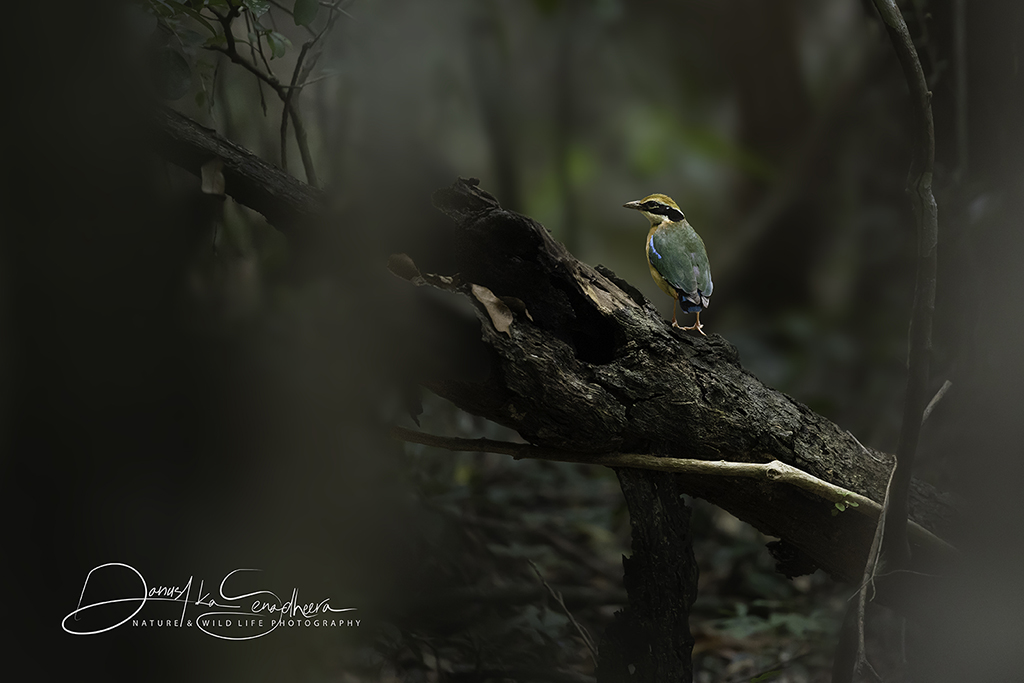
The Indian Pitta is one of the earliest winter migrant bird species to Sri Lanka. Its vibrant colors and unique call make it one of the best-known bird species on the island, found commonly throughout the country. Despite its abundance, photographing the Indian Pitta can be challenging due to its preferred habitat. The bird typically inhabits dense undergrowth, although it is often seen in the backyards of home gardens, hopping around in search of worms and insects. Its call is easy to mimic, and the bird responds quickly to imitations, more so than many other bird species.

This photo was taken at Wilpattu National Park. Nuwan – Wilpattu Megha Safari – spotted the Indian Pitta flying across the road and landing nearby. We spent some time searching for it, and eventually, it perched on a fallen tree, allowing us ample time to capture this beautiful habitat shot before it returned to the forest floor to feed.

#srilanka #wildlife #WildlifePhotography #birdphotography #birdwatching #bird #naturephotography #wildlifesafari #wilpattunationalpark #wilpattumeghasafari

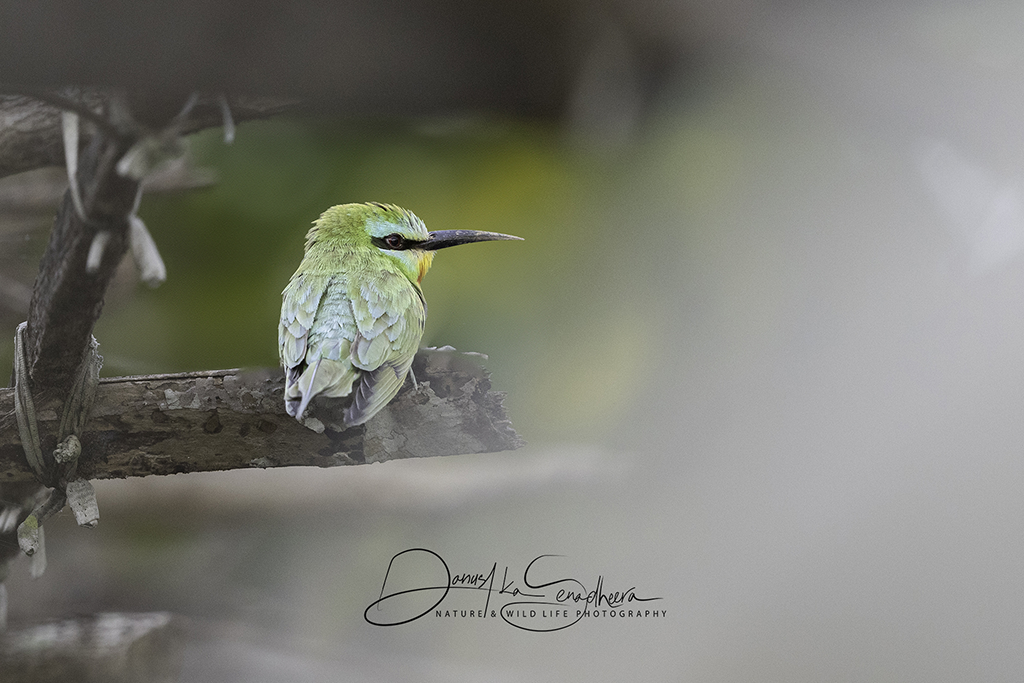
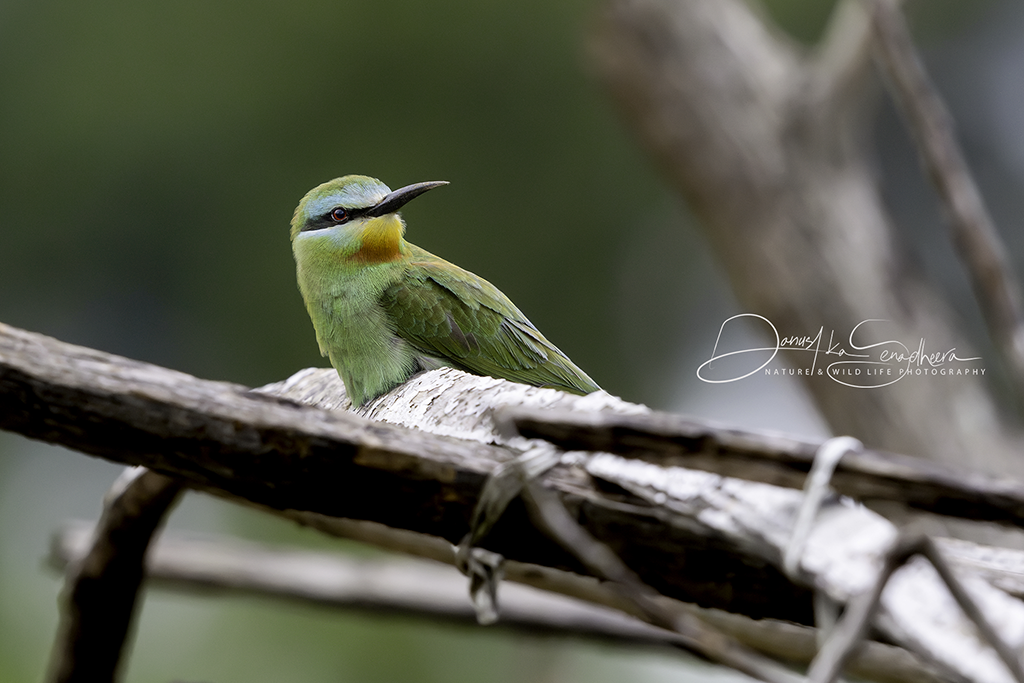
First Record of Blue-cheeked Bee-eater

Yesterday, just after posting a photo of a Chestnut-headed Bee-eater, I received an urgent call from Senehas. He informed me about the first record of a Blue-cheeked Bee-eater in our area, a sighting not too far from my place. He insisted that I go see the bird immediately, as it could disappear at any moment with the winter bird migration period nearing its end.

Despite the late hour and rainy weather, I decided to give it a try. I called a friend, packed my gear, and we set off right away. When we arrived, we found a group of birdwatchers already there, but the bird had been missing for about an hour. We roamed around, searching for it for another hour. Just as some were giving up, a friend who was on his way home spotted it about half a kilometer away from its usual hangout spot.

Though luck didn’t seem to be on our side, we hurried over. We found the bird in the middle of a paddy field and managed to get closer for a few shots. Unfortunately, the light wasn’t ideal, and the perch wasn’t to my liking. As heavy rain began to pour, we were forced to leave, hoping to return the following day.

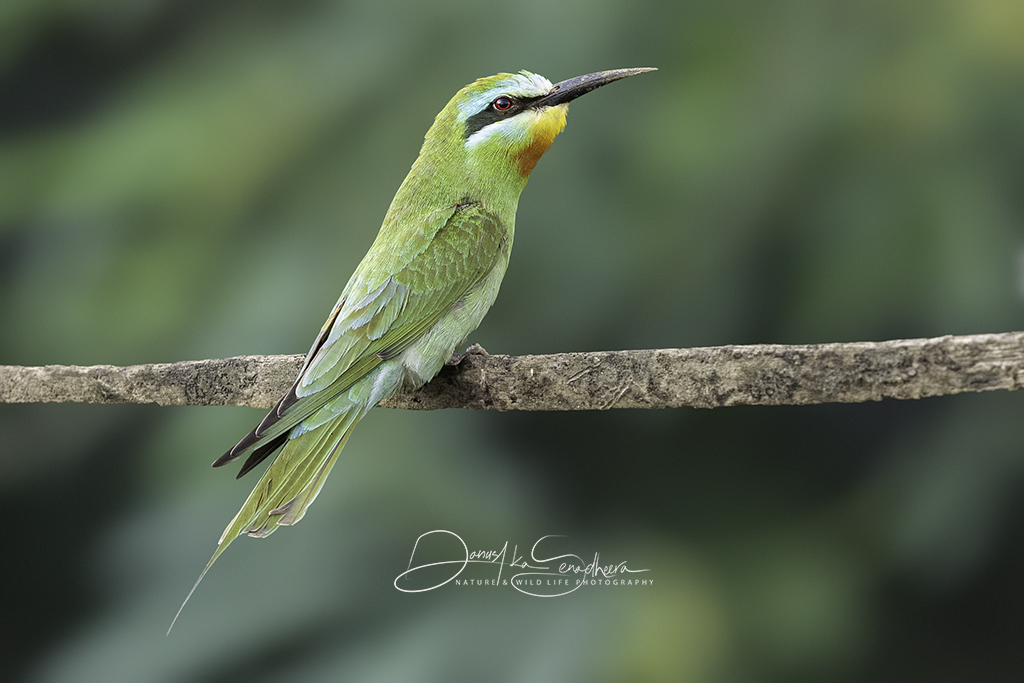
Blue-cheeked Bee-eater, Madiwela, Sri Laka

Early this morning, I returned with a friend. The bird was exactly where we had left it. Though the light was still not perfect, we managed to capture some shots before the rest of the birdwatchers arrived. The Blue-cheeked Bee-eater moved around occasionally, but during the intervals, we managed to take some satisfying shots of this wonderful bird.

If it weren’t for those who had identified this beauty with its distinctive shape, size, and plumage, I might have mistaken it for a Blue-tailed Bee-eater.

Blue-cheeked Bee-eater, Madiwela, Sri Lanka. Note the distinctive blue color on area around eye and cheek

#srilanka #newbird #vagrant #bluecheekedbeeeater #bird #birdwatching #birdphotography #wildlifephotography

Chestnut-headed Bee-eater

Chestnut-headed Bee-eater, Wilpattu National Park

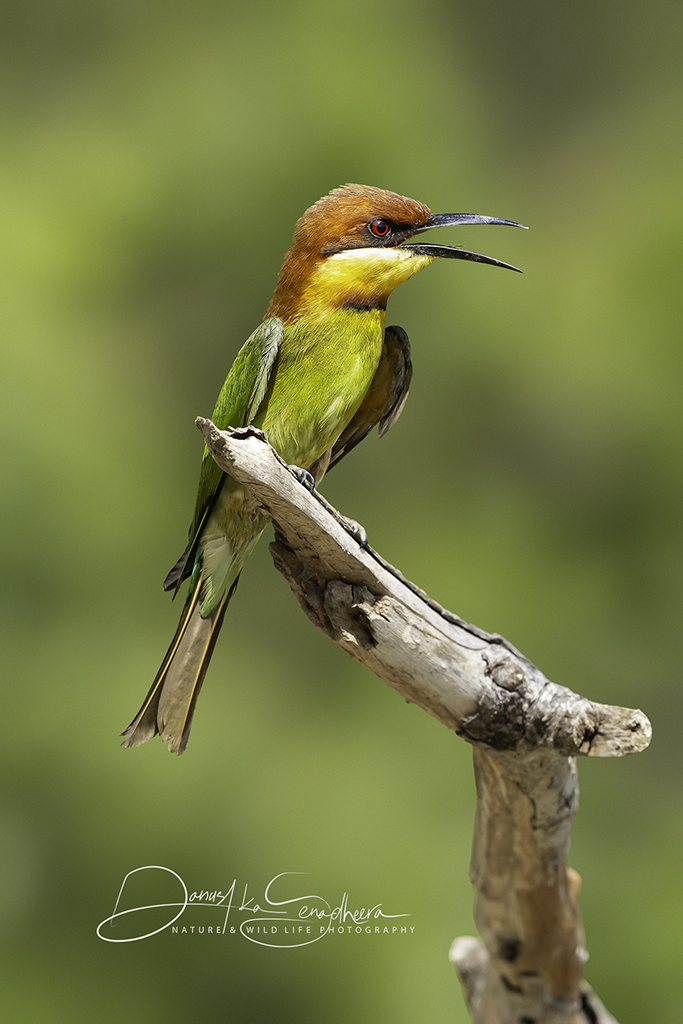
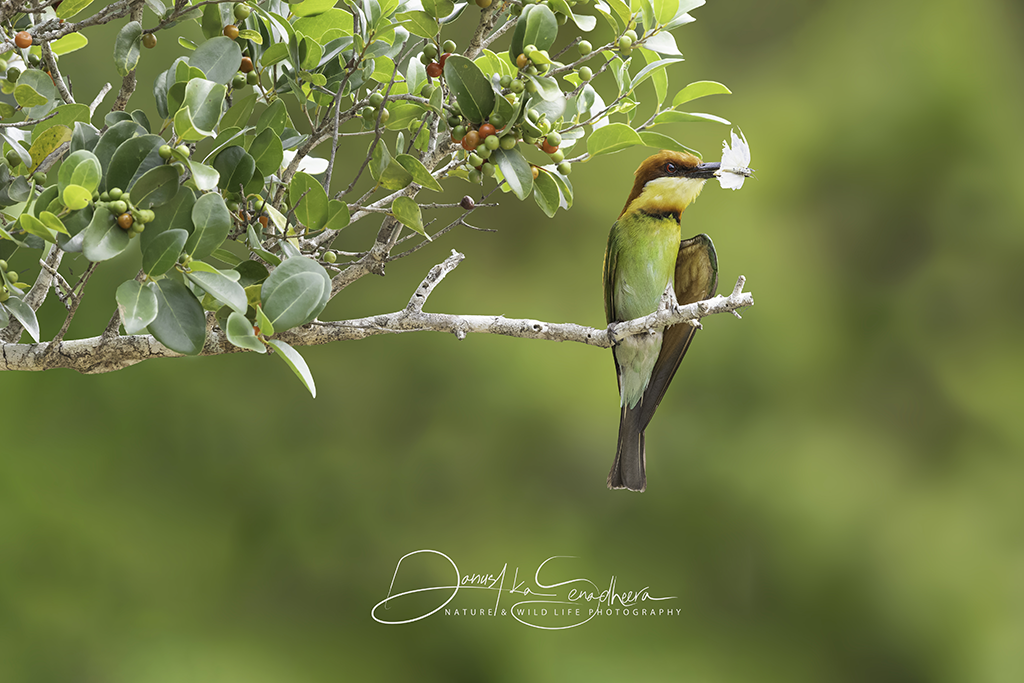
The Chestnut-headed Bee-eater is a fairly uncommon breeding resident in Sri Lanka. Apart from the very rare migrant European Bee-eater, it is the bee-eater with the most vivid plumage found on the island, being more colorful than both the Little Green Bee-eater and the Blue-tailed Bee-eater.

Bee-eaters nest in holes dug in the ground. Both parents feed the chicks. As their name suggests, their main diet consists of small insects. It is fascinating to watch them fly in circles to capture flying insects. They are quite predictable, often returning to the same perch after leaving it. This makes them an excellent subject for practicing bird photography in flight. They are also interesting to observe while perched, as they are very active, cleaning themselves and constantly on the lookout for flying insects.

Chestnut-headed Bee-eater with a butterfly pray, Yala National Park

Sloth Bear

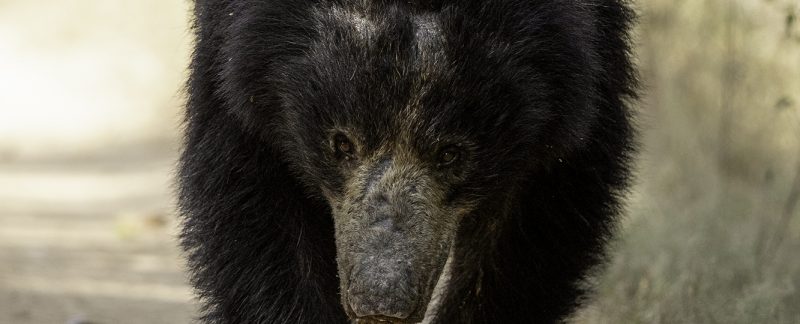
My recent visits to national parks were somewhat underwhelming in terms of leopard sightings, which are typically the main attraction of wildlife safaris. However, this year has been remarkable for sightings of the Sri Lankan Sloth Bear in both Yala and Wilpattu National Parks, likely due to the wild berry season (Palu – Manilkara hexandra and Weera – Drypetes sepiaria). The attached photo was taken during my second encounter with the same bear at Yala National Park, near Modaragala.

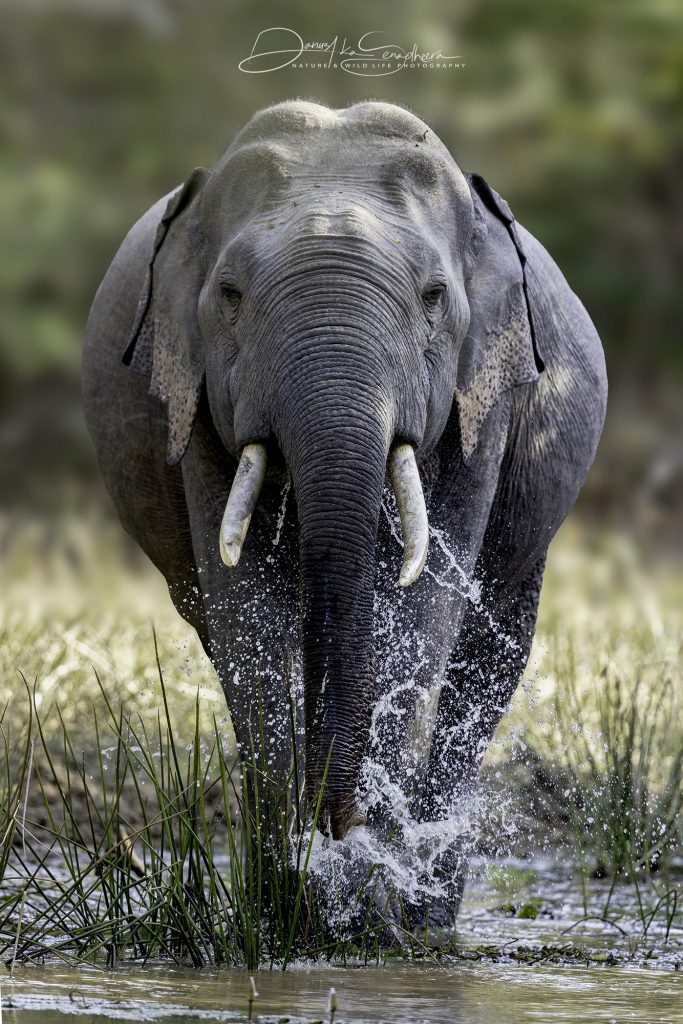
Tusker encounter at Yala National Park

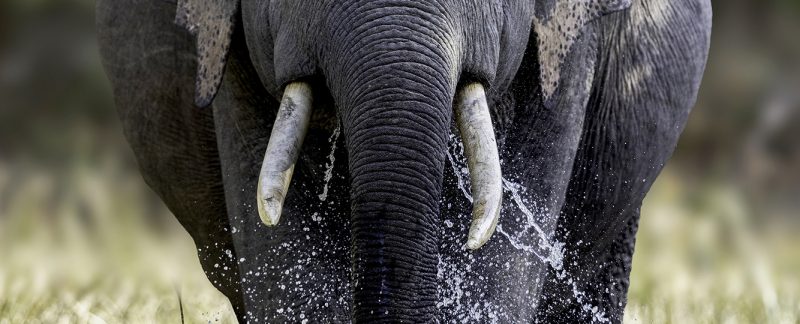
While on safari at Yala National Park, we received thrilling news of a tusker roaming near a waterhole called Walaswala. Eager to witness this majestic sight, we decided to investigate. Initially, spotting the tusker proved challenging as it was foraging in the dense scrub forest. Observing its behavior, we deduced it was heading toward the waterhole, so we waited patiently. After about half an hour, our patience was rewarded. The tusker emerged, providing us with a once-in-a-lifetime opportunity to capture some breathtaking moments in the wild beauty of Sri Lanka